After shutting down a unit of its electric vehicle (EV) arm Switch Mobility in the UK, the company was in the process of shifting the production base for its electric buses from the UK to Ras Al Khaimah (RAK) in the United Arab Emirates. It is also in the process of setting up a manufacturing unit in Saudi Arabia. With India sealing the trade deals, the company is now looking at the possibility of exporting directly to the EU and UK markets.
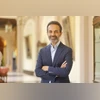
“Our aspiration is to grow in the European market. We have a new product E1 (electric bus by Switch). Our intention was to export these vehicles from RAK. The new FTA opens up an avenue through which it might even be advantageous to produce in India. We will look at the best option looking into the cost parameters,” Hinduja told Business Standard.
The company is looking at this plan also considering the rising demand in the Gulf Cooperation Council (GCC) region. The RAK unit is already running at its full capacity of 6,000 units. The company was expecting sales of around 7,000–8,000 vehicles in the region this year, around 30–40 per cent higher than current capacity. Hence, a new assembly plant with a capacity of 2,500 units is planned in Saudi Arabia, which will give the company an advantage of saving customs duty on vehicles exported from the UAE.
“The West Asia market is very strong and our plant in RAK is already reaching its peak capacity. This was an additional opportunity to do more with the E1 product. The intention is to produce E1 over there, as there is a growing market in the UAE and GCC. Separately, we will examine the possibilities of India (regarding FTA),” Hinduja added.
This comes at a time when Switch delivered its first set of exports to Mauritius and Bhutan last quarter. “We are now seeing that a lot of our existing markets are trying to have at least a part of their fleet to be electric. From that perspective, we feel Switch has a good opportunity in expanding its export base. We will look at Saarc countries and had recently signed an MoU in Indonesia as well,” he added.
Ashok Leyland, not Switch, has also started selling its products in Malaysia and the Philippines too. “Asean markets are new but I do feel that there is going to be a good opportunity there as well,” Hinduja explained.
The company said its long-term aspiration as an electric player is to have a whole centre of excellence on batteries. Recently, Ashok Leyland has entered into a long-term exclusive partnership with CALB Group, one of the foremost battery technology companies in China.
It is planning to invest in the development and manufacturing of next-generation batteries for both automotive and non-automotive applications, including energy storage systems. This business would entail investments of over ₹5,000 crore over the next seven to 10 years.


 "Dheeraj Hinduja")