The tariff removal will lower prices of Harley’s large-displacement imported motorcycles, which retail between ₹14.5 lakh and ₹45.8 lakh. Even after the duty cut, volumes are expected to remain modest, as India’s 2W market — nearly 20 million units annually — is dominated by motorcycles in the 110–250cc range.
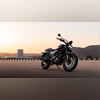
Harley-Davidson sold close to 187 fully built imported motorcycles in India between April and December 2025, according to Society of Indian Automobile Manufacturers data, across models such as the Nightster, Pan America, Fat Bob, and Fat Boy. For Hero MotoCorp, the development is largely neutral. Hero’s partnership with Harley-Davidson is centred on the locally manufactured 440cc X440 platform, which sits well below the 800cc threshold covered by the trade agreement. These models are produced in India and target the midsize premium segment, where pricing and localisation, rather than imported brand prestige, drive volumes. The duty waiver on large imported Harleys does not alter Hero’s cost structure or competitive positioning in this space.
Royal Enfield, meanwhile, operates closer to the upper end of the premium spectrum and has been gradually moving into higher-displacement motorcycles with models such as the 650cc twins and recently introduced 750cc-plus platforms. “While these products still sit below Harley-Davidson’s fully imported models benefiting from zero duty, cheaper flagship Harleys could influence consumer perception at the aspirational end of the market, especially among buyers seeking global brand credentials and large-engine motorcycles,” said a Mumbai-based automobile analyst.
That said, the overlap remains limited. Royal Enfield’s strength lies in offering relatively affordable, locally manufactured motorcycles with higher displacement and strong brand recall — a value proposition distinct from Harley-Davidson’s fully imported, high-priced cruisers. In volume terms, the Harley segment represents a fraction of the Indian market. Enfield has a strong presence in the 350–500 cc segment.
The tariff concession appears to be a symbolic trade gesture rather than a structural opening of India’s 2W market. By limiting duty-free access to motorcycles above 800cc, the government has ring-fenced the mass and mid-premium segments that underpin local manufacturing.
For Indian manufacturers, the signal is clear: while global brands may gain easier access at the extreme top end, the competitive landscape for locally produced motorcycles — where Hero and Royal Enfield derive most of their sales and profits — remains largely unchanged.
Under the proposed deal, India will progressively reduce import tariffs on petrol and diesel cars with engine capacities above 3,000cc to 30 per cent over a 10-year period, an Indian official told Reuters.
Electric vehicles have been excluded from the arrangement, effectively ruling out a lower-duty entry pathway for Tesla and sidestepping a key demand from its chief executive Elon Musk, who has repeatedly criticised India’s steep import levies, Reuters reported.
This stance contrasts with India’s negotiations with the European Union, where New Delhi has agreed to deeper tariff reductions — potentially down to 10 per cent — covering a wider range of vehicles, including phased concessions for some electric models, according to Reuters.


 "X440")