Under CBAM, every shipment of steel and aluminium entering the EU will carry a carbon cost linked to the emissions generated during production. While the tax will be formally paid by EU-based importers through the purchase of CBAM certificates, the financial burden is expected to be passed back to Indian exporters through lower prices and tighter contract terms, the report said.
GTRI warned that exporters using high emission production routes, particularly blast furnace-basic oxygen furnace (BF-BOF) steelmaking and coal based power for aluminium, will face the steepest loss of competitiveness. In contrast, producers using gas based direct reduced iron, scrap based electric arc furnaces or cleaner electricity could gain market share by becoming “cheaper after carbon”.
Although formal surrender of CBAM certificates will begin in 2027, EU buyers are expected to factor carbon costs into procurement decisions from the first shipment of 2026 itself, embedding emissions considerations into price negotiations, supplier rankings and contracts, the report said.
A major risk identified by GTRI is the lack of plant level, verified emissions data among Indian exporters. CBAM relies on installation-specific emissions accounting covering direct fuel use and electricity consumption, making corporate averages or ESG disclosures legally irrelevant.
Exporters unable to provide verified data face the application of EU default emission values, which are intentionally conservative and can be 30-80% higher than actual emissions, sharply inflating the effective carbon cost. Beginning 2026, independent verification of emissions data will become mandatory, with only EU-recognised or ISO-14065 compliant auditors accepted.
The report flagged MSMEs as the most vulnerable, warning that higher compliance costs and data gaps could push many smaller exporters out of EU supply chains. A key challenge is that large metal producers often do not share plant level emissions data with downstream MSMEs, leaving them exposed to punitive default values even when actual emissions may be lower.
“CBAM marks a structural shift in global trade where carbon intensity, not just price efficiency, will determine competitiveness,” the report said. It cautioned that exporters who fail to prepare risk losing EU market access due to compliance gaps rather than quality or demand constraints.


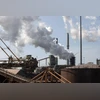 "Emissions rising from a Tata Steel plant in IJmuiden, Netherlands")

