There have been valid objections to the methodology applied, principally that it is derived from a broad estimate partially based on a “risk score” that deploys the same factors used to determine whether a nation falls under the “developing” rubric. This automatically leaves the developed nations, mostly in Europe, with relatively benign scores, although the burgeoning African and West Asian refugee crisis, coupled with slowing economies, strongly suggests that modern slavery may be more prevalent than the surveys suggest. In the past, India had complained that the sample size of the surveys was skewed and the assumptions ignored the country’s unique socio-economic factors. Many quibble with the capacious definition of the Global Slavery Index, which follows no internationally accepted norm and is constantly recalibrated. Walk Free, the human rights organisation that compiles the index, includes child labour, sexual exploitation, human trafficking, and forced labour from forced marriage within the definition of modern slavery. Going by practices in South and West Asia alone, this is not such an irrational definition.
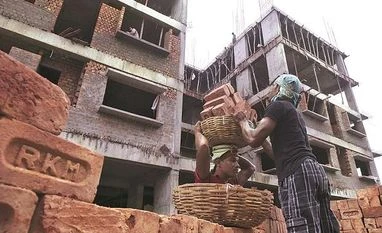
In India, the proximate term for slavery is bonded labour, which was outlawed in 1976. But it is narrowly defined as those working under obligation such as the repayment of a loan through unpaid service and having no freedom to escape the obligation. The Supreme Court added to the definition by including workers paid below prevailing market and legal minimum wages. Though the system exists mostly in rural areas, there is no definitive data — the government only reveals the numbers of those freed from bonded labour. But the reality is that 93 per cent of the country’s workforce falls in the unorganised sector, according to the Ministry of Labour and Employment. In that area, benefits and oversight against exploitation are non-existent. For many of them, there is a thin line of difference between slavery and employment. Efforts to bring them under the umbrella of benefits moved forward only in 2021, when the government introduced the e-Shram portal for unorganised sector workers to register and receive pensions, insurance, and death benefits. So far some 280 million informal workers, about half the workforce, have registered on the portal. This is good progress in two years. The real test, however, will lie in how easily retired informal workers can access these benefits.


 "workers, labour, informal sector, construction, jobs")