


Power to Bhutan: Good relations balance Thimphu's geopolitical pragmatism
Sustained cordiality has been the result of India's constructive and dependable engagement with Bhutan since the 1960s, helping it build institutions of governance and military capabilities
 "PM Modi in Bhutan")
premium
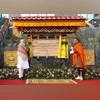
The Prime Minister was guest of honour at K4’s 70th birthday and inaugurated the Buddhist Kalachakra Empowerment ceremony, a three-day event as part of the Global Peace Prayer Festival. (Photo: ANI)
Listen to This Article
Prime Minister Narendra Modi’s visit to Bhutan reflected a model of cordial relations between two asymmetric powers — a model that the Indian state has consistently maintained with the Himalayan kingdom of about 792,000 people. Unlike Nepal, Bhutan’s transition to an electoral democracy in 2008 has not destabilised relations with India. Indeed, the nature of the India-Bhutan treaty went through a significant amendment in 2007, when Bhutan held its first direct elections to the National Council, with the clause that replaced the one stating India would “guide” Bhutan in foreign affairs with one of “mutual respect for each other’s independence, sovereignty and territorial integrity”. The two countries also agreed not to let their territories be used against each other, a clause that was tested during China’s occupation of the Bhutanese territory of Doklam in 2017.