Shyam Saran argues that
the Saudi Arabia-Turkiye-Pakistan defence pact marks a significant shift in West Asia’s security architecture, driven by declining confidence in US security guarantees, shared concerns over regional threats and closer Saudi-Turkish ties. While the pact promises collective deterrence, differing threat perceptions make a NATO-style defence arrangement unlikely. Saran sees Pakistan’s role as a trusted bridge between Saudi Arabia and Turkiye as particularly significant, enhancing its regional profile and potentially benefiting China. For India, the emerging alignment poses risks to energy security, the safety of millions of Indians in the Gulf and its strategic freedom in responding to cross-border terrorism.
The
Tata group’s recent leadership transition raises questions about succession, capital allocation and the development of leaders capable of navigating multiple industries, but not necessarily about its underlying purpose. Its long-standing commitment to serving the nation through enterprise remains evident in investments spanning electric vehicles, batteries, defence and semiconductors, alongside continued philanthropy,
writes R Gopalakrishnan. The group’s distinctive structure, with a private holding company and publicly listed operating companies, allows businesses to retain domain expertise while preserving a common institutional ethos. The more pressing challenges are strengthening capital allocation and developing leaders with the breadth and long-term perspective required to guide the group.
Shekhar Gupta suggests that the
rapid expansion of Asim Munir’s powers reflects not strength but deep insecurity and paranoia. New laws formalising his authority as Pakistan’s Chief of Defence Forces allow him extensive control over military appointments and tenures, further concentrating power while potentially unsettling the senior brass. However, Gupta points out that Munir’s apparent diplomatic successes cannot compensate for Pakistan’s declining comprehensive national power, weak economy and limited military options. With his current tenure potentially ending in 2030, the fundamental question is what happens to him thereafter. Drawing on the fates of Pakistan’s previous dictators, Gupta sees three possible exits: exile, permanent rule or, most improbably, reforming Pakistan through economic recovery, internal reconciliation and peace with India.
Negative branding has become
a powerful political weapon, allowing rivals to be discredited through nicknames, memes, ridicule, fake news and other forms of mockery. Unlike corporate marketing, where attacking competitors can damage an entire market, political branding operates within a zero-sum contest for power and resources. Some of the most effective campaigns, however,
writes Devanghsu Datta, have been spontaneous rather than orchestrated, as illustrated by Simon and Garfunkel’s unintended association with Malawi’s political establishment and the Winnie-the-Pooh memes targeting China’s leader. With social media accelerating the spread of such imagery, the ability to turn politicians into objects of ridicule could pose an existential challenge to political leaders' credibility and electoral prospects.


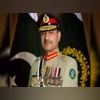 "Pak, Pakistan Army chief, General Asim Munir")