


How online chats are leading to imprisonment for blasphemy in Pak
The crime is blaspheming Islam, and in Pakistan, it can carry a death sentence, although the country has not executed anyone for it
 "Pakistan, Pakistan flag")
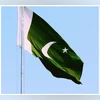
Many of the accused say they were entrapped by bad actors online who sought to extort them or to inflate the number of blasphemy arrests. (Photo: Unsplash)
Listen to This Article
Zia ur-Rehman
It is to many Pakistanis an unspeakable crime, so much so that evidence is not always required to secure a conviction. Violent rallies spring up at just rumours that it has happened. Vigilantes have hunted down the accused, and they are praised as heroes for doing it.
The crime is blaspheming Islam, and in Pakistan, it can carry a death sentence, although the country has not executed anyone for it.
But identifying what constitutes blasphemy can be nearly impossible in a society that represses conversation on the topic, outside of outright condemnation. Accusations of blasphemy have at times incited murderous mobs. Politicians and lawyers who challenged the blasphemy laws have been killed. In 2023, Pakistan made punishments more severe for violations of its blasphemy laws. Arrests have since skyrocketed, especially on charges of blaspheming Islam on the internet.
Many of the accused say they were entrapped by bad actors online who sought to extort them or to inflate the number of blasphemy arrests. Human rights experts say that pointing to a rising tide of blasphemy — manufactured or not — is a sure way for Islamist groups to drum up public support and to attract funding under the pretext of defending religious sanctity.
Also Read

 "Ishaq Dar, foreign minister of Pakistan")
 "Spying, Spy")
 "pakistan Flag")
 "Donald Trump, Asim Munir")
 "Pakistan China submarine launch")
Shahida Bibi, who lives in Islamabad, was finishing her prayers one night in 2023 when four men knocked on her door. They claimed to be her son’s friends, but their questioning made her nervous. After some wrangling, Bibi said, one admitted the truth: They were officers of the Federal Investigation Agency, then primary authority for cybercrime probes, and her son had just been arrested on charges of online blasphemy.
Her son’s account of what happened matches a pattern that human rights experts say has become common. A woman had messaged him privately, Bibi said, offering what appeared to be a promising opportunity.
During their otherwise professional conversation, the woman sent him a sexually explicit image superimposed with Islamic scripture. Disturbed, he questioned her. The woman brushed it off as a mistake and claimed she was unsure what she had sent. She insisted that he forward a copy of the message so she could verify it. A few days later, the woman invited him to meet her near a bus stop, promising to take him to an employer’s office, Ms. Bibi said. Instead, four men were waiting for him. They beat him, seized his phone and took him into custody.
That single forwarded image, Bibi said, had become the basis for a blasphemy charge. Bibi’s account could not be independently verified, as evidence has not been made public in her son’s case and the judicial system in Pakistan affords little transparency.
A report published in October by a government-run human rights body, which documented the sharp rise in arrests for online blasphemy, identified 11 in 2020, nine in 2021 and 64 in 2022. Then came the revised punishments for blasphemy. Arrests rose drastically, to 213 in 2023 and to a staggering 767 over the first seven months of 2024.
More From This Section
 "US President Donald Trump")
 "Jerome Powell")
 "Harvard University")
 "Shanghai skyline")
 "Houthis Yemen")
Topics : Pakistan blasphemy law online crimes
Don't miss the most important news and views of the day. Get them on our Telegram channel
First Published: Aug 25 2025 | 12:00 AM IST