3 min read Last Updated : Dec 13 2021 | 9:44 AM IST
Maruti Suzuki’s latest upgraded small car, the Celerio, is a city ride brought out first in 2008. While it was originally sold as a rebadged Alto or A-Star for some markets, the Celerio was in due course made into a global nameplate, and by 2014, it even replaced the A-Star, according to industry reports.
The second generation Celerio arrived last month, marking Maruti's formidable defence in what will remain a large volume market in the auto segment.
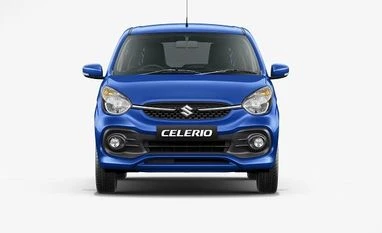
So what’s new about the Celerio hatchback? For starters, it gets a brand new engine, comes with nifty design touches that give it (for want of a better word) a cuter profile, has revamped interiors and a host of new features.
The latest Celerio is powered by the new 1-litre K10C DualJet, three-cylinder petrol engine that comes with a start-stop ignition system, which is fairly upmarket for a car that is priced between Rs 5 lakh and Rs 7 lakh — as much as an entry-level steel Rolex watch.
With about 67 bhp (brake horse power), the car does feel a little sluggish at times and could do with a stronger boost of power in certain driving conditions.
While the engine comes mated to either a 5-speed manual or a 5-speed AMT gearbox, the latter is offered on all but the base LXI trim. In driving terms, it's nice to have an automatic of any kind in busy Indian cities but drivers expecting a seamless power and torque delivery will be a trifle disappointed.
Even so, it is worth taking stock of the technology that is now available in a car, which includes keyless ignition, automatic transmission, driver seat height adjustment, electrically adjustable mirrors, steering-mounted audio controls, and front and rear power windows.
Maruti Suzuki Celerio | Photo: Flickr
The new Celerio is wider and taller than the earlier version by 55 mm, which means it’s got better ground clearance but still shares its underpinnings and platform of manufacture with its Maruti stablemates — the Wagon R, Swift and Baleno.
Thanks to the low stance of the car, getting in and out is quite easy, and passengers will also appreciate the height adjustment feature for seats. As in the Celerio of the past, the front seats feature single-piece backrests with built-in headrests and score passably on comfort.
The competition for Maruti's Celerio includes the Tata Tiago, Hyundai Santro and Datsun Go. That said, there are few competitors in the price segments that Maruti operates in, especially within the large volumes segment. While the starting price of the Hyundai Santro too is around Rs 5 lakh, Maruti has over half a dozen models in that range including the Alto, Swift, Eeco, S-Presso, Wagon R and Ignis, making it a go-to mobility provider.
The bottom line is that while the Celerio has great upgrades, a modern profile and loads of tech features, this is a car that is a basic and entry-level city automobile, so consumers should see it as such. Of course, in terms of value for money, it’s hard to find many alternatives that can match up to its overall efficiency and cost of ownership.