Glenn Saldanha, chairman and managing director at Mumbai-based Glenmark Pharmaceuticals, says his company is in a sweet spot now, with four drugs in pipeline at a time when generic drug makers are seeing constant price erosion in their biggest market, the US. He spoke with Aneesh Phadnis and Abhineet Kumar on how he plans to overcome the generic disruption in the US. Excerpts:
How long would the price erosion in generic products in the US continue?
Price erosion is here to stay. Typically, these are 10-year cycles. The number of players going to the US are so large today. Historically, there were 10-15 players who would fight among themselves and some would exit and come back. Today, every single country has a bunch of pharma companies targeting the US market. In India itself there are second-tier and third-tier companies who are filing ANDAs (Abbreviated New Drug Applications).
It is going to be a challenging environment for generic business. My guess is that we are in third or fourth year of generic price erosion cycle. Today, price erosion is at 10 to 12 per cent, tomorrow it could be at five to six per cent but it would be deflationary for the next five to six years, I would guess.
What is your strategy to counter it?
Our strategy has always been to build a sizeable generic business to generate cash and then take that to invest in innovation. We have done that over the last 17 years. We have built a generic business with almost Rs 10,000-crore revenue this year, which is generating cash and part of that cash we put in innovation.
By 2025, almost 30 per cent of our revenue should come from innovative products. Today it is zero. Here I am not considering the out-licensing income. This will be revenue from innovative drugs. Revenue will be sales, either by way of royalty, when someone else is marketing the product or we selling it.
Where do you see Indian pharma industry moving from here under these circumstances?
Among the small and medium players, there will be a lot of consolidation through M&As (mergers and acquisitions) and partnerships. Some of them will also exit. Among the top 10 players, many of them will take the M&A route to acquire assets, especially going out to buy speciality companies.
You will also see some companies that will use their balance sheet and cash flows to buy some innovative assets. But I do not know how many Indian companies will be able to execute organic innovative drug journey.
Still there are some Indian companies getting into the US now. How does it make sense?
May be in short run they will make some money. But to build a sustainable business model in the US in generic space is extremely hard now.
What is the visibility for earnings from out-licensing deals?
We have done seven out-licensing deals so far with Big Pharma, starting with the first one in 2004 with Forest Lab. We have got something like $200-250 million of cash by out-licensing our own IP (intellectual property) so far.
Research has been the biggest backbone for the company and we constantly kept on investing in innovative research.
Today we have 4 products in clinical development in the biologics space. Having done all this licensing deals in the past for us to do multiple more is only a matter of time.
Your seven under development molecules earlier did not go to the market. How confident are you are for the revenue from 4 under development molecules now?
No one can accurately predict what will be future of a product. When is it going to fail or when is going to succeed? You have to be an optimist to be in this game - to put the capital to believe that these drugs will eventually go to the market.

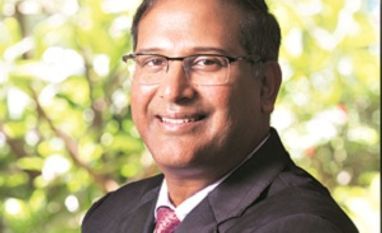 "30% revenue from innovative products by 2025: Glenmark Pharmaceuticals CMD")












 Connect with us on WhatsApp