Aurobindo recalls heartburn drug ranitidine, two others from US market

Development follows regulatory compliance issues being faced by several of its plants back home; Ranitidine taken off due to the presence of carcinogenic compound
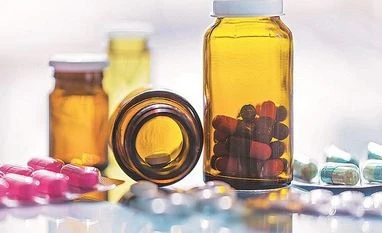
Pharma, medicine, drugs, Pharmaceuticals
The action on Ranitidine and Lidocaine, defined as a Class-II recall, was taken due to the presence of foreign and potentially harmful material in the drug. Representational
B Dasarath Reddy Hyderabad
2 min read Last Updated : Dec 06 2019 | 10:48 PM IST
Aurobindo Pharma Limited has initiated a nationwide recall of three drugs from the US, two of them due to manufacturing issues. The development comes close on the heels of the regulatory compliance issues being faced by several of its manufacturing facilities back home.

These three products include heartburn drug Ranitidine that the US Food and Drug Administration(US FDA) had recently asked the companies to withdraw from the market owing to the presence of carcinogenic nitrosodimethylamine (NDMA) compound above the daily acceptable intake limits in the formulation.

The recall of ranitidine was in different dosages of tablets and capsules of 30-500 count bottles, totalling 276,048 bottles besides 19,320 bottles of Ranitidine syrup, according the FDA.

The company has also initiated a voluntary recall of 197,000 vials of Amiodarone Hydrochloride injection, which is used in treating irregular heartbeat in patients, and 112,00 vials of local anesthetic Lidocaine HCL injection belonging to specific batches. All three drugs were distributed  by Aurobindo Pharma's US subsidiary AuroMedics Pharma LLC. Aurobindo started recalling the formulations in the first and the second weeks of November.

The action on Ranitidine and Lidocaine, defined as a Class-II recall, was taken due to the presence of foreign and potentially harmful material in the drug that could cause temporary or medically reversible adverse health consequences. In the case of Amiodarone, the company has initiated a class III recall after the visible presence of particulate matter in the vials due to crystallisation, though the product is unlikely to have any adverse health impact.

In April, the US FDA said it had asked the companies to recall the heartburn drug from the market as the formulation was found to contain carcinogenic material. Last month, several companies including Dr Reddy's and GSK had recalled their Ranitidine generics from the US market.

In recent times the generic drug firms had to face two industry-level recalls, the first involving the blood pressure-lowering drug sartans, followed by ranitidine, due to the presence of carcinogens in the active ingredients of the respective medicines.

One subscription. Two world-class reads.

Already subscribed? Log in

Subscribe to read the full story →
*Subscribe to Business Standard digital and get complimentary access to The New York Times

Smart Quarterly

₹900

3 Months

₹300/Month

SAVE 25%

Smart Essential

₹2,700

1 Year

₹225/Month

SAVE 46%
*Complimentary New York Times access for the 2nd year will be given after 12 months

Super Saver

₹3,900

2 Years

₹162/Month

Subscribe

Renews automatically, cancel anytime

Here’s what’s included in our digital subscription plans

Exclusive premium stories online

  • Over 30 premium stories daily, handpicked by our editors

Complimentary Access to The New York Times

  • News, Games, Cooking, Audio, Wirecutter & The Athletic

Business Standard Epaper

  • Digital replica of our daily newspaper — with options to read, save, and share

Curated Newsletters

  • Insights on markets, finance, politics, tech, and more delivered to your inbox

Market Analysis & Investment Insights

  • In-depth market analysis & insights with access to The Smart Investor

Archives

  • Repository of articles and publications dating back to 1997

Ad-free Reading

  • Uninterrupted reading experience with no advertisements

Seamless Access Across All Devices

  • Access Business Standard across devices — mobile, tablet, or PC, via web or app

Topics :Aurobindo PharmaPharmaUS FDAUS Food and Drug Administration

Next Story



