BS-VI effect: Sales of passenger vehicles may rise in Dec, say auto firms

A nationwide & compulsory switch to BS-VI is due from April 1, 2020
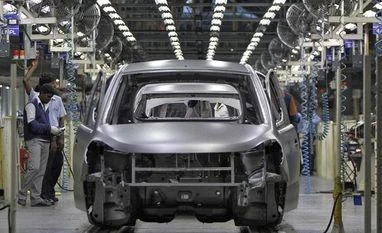
auto components
Companies had decided to increase the price of their vehicles from January 2020
T E Narasimhan Chennai
3 min read Last Updated : Dec 22 2019 | 9:00 PM IST
After a tough environment for 15 months, the automobile industry now faces the final set of hurdles in the transition to BS-VI emission rules, say analysts. ‘Business as usual’ is likely, they expect, from the second quarter (July-September) of the coming financial year. 

A nationwide and compulsory switch to BS-VI is due from April 1, 2020. 

Amid increase in input and other costs, companies had decided to increase the price of their vehicles from January 2020. This is expected to push sales of passenger vehicles by 2 to 4 per cent in December; reportedly, bookings are in that range. Discounts and like other schemes, as high as Rs 1-1.5 lakh for volume segments, are aiding this.

This has started reflecting in inventory levels at dealers, down since companies have cutting output. Inventory levels for passenger cars was 30-35 days in January 2019; this had dropped to 25-30 days in October. That for two-wheelers dropped to 35-40 days, from 50-60 days. However, in the commercial vehicle segment, inventory continues at the same level, according to the Federation of Automobile Dealers Associations.
Switching Gear
  • A nationwide & compulsory switch to BS-VI is due from April 1, 2020
  • Companies had decided to increase the price of their vehicles from January 2020
  • This is expected to push sales of passenger vehicles by 2 to 4 per cent in December
  • Discounts and like other schemes, as high as Rs 1-1.5 lakh for volume segments
Shashank Srivastava, executive director (marketing & sales) at Maruti Suzuki, says of the expected rise in sales: “It is very difficult to quantify the magnitude and place a number. Some customers might also have changed their mind and pushed their decision to December, from November. We are cautiously optimistic on positive demand.” He says the discounts being offered are an all-time high and not sustainable. “So, we want to tell our customers that the best time to buy a car is now.”

Motilal Oswal Financial Services says two-wheelers would face the highest cost inflation, of 10-15 per cent, due to the BS-VI transition. 

The price change for mainstream two-wheelers, of less than 125cc, would be 20-25 per cent. The impact on petrol-driven passenger vehicles is expected to be a rise of 2 to 3 per cent; on diesel ones, from 8 to 12 per cent. For light commercial vehicles, the cost inflation is expected to be 15-20 per cent; for medium and heavy ones, 10 to 13 per cent.

One subscription. Two world-class reads.

Already subscribed? Log in

Subscribe to read the full story →
*Subscribe to Business Standard digital and get complimentary access to The New York Times

Smart Quarterly

₹900

3 Months

₹300/Month

SAVE 25%

Smart Essential

₹2,700

1 Year

₹225/Month

SAVE 46%
*Complimentary New York Times access for the 2nd year will be given after 12 months

Super Saver

₹3,900

2 Years

₹162/Month

Subscribe

Renews automatically, cancel anytime

Here’s what’s included in our digital subscription plans

Exclusive premium stories online

  • Over 30 premium stories daily, handpicked by our editors

Complimentary Access to The New York Times

  • News, Games, Cooking, Audio, Wirecutter & The Athletic

Business Standard Epaper

  • Digital replica of our daily newspaper — with options to read, save, and share

Curated Newsletters

  • Insights on markets, finance, politics, tech, and more delivered to your inbox

Market Analysis & Investment Insights

  • In-depth market analysis & insights with access to The Smart Investor

Archives

  • Repository of articles and publications dating back to 1997

Ad-free Reading

  • Uninterrupted reading experience with no advertisements

Seamless Access Across All Devices

  • Access Business Standard across devices — mobile, tablet, or PC, via web or app

Topics :BS-VIBS-VI normsBS-VI fuelpassenger vehicle sales

Next Story



