4 min read Last Updated : Nov 04 2020 | 10:21 AM IST
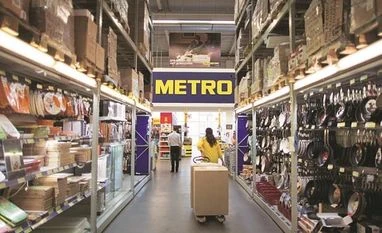
Wholesale B2B retailer Metro Cash & Carry India is switching to an omni-channel strategy which involves offering kirana shops and small retailers an online ordering platform to deliver products to their shops. Further, for the first time, the company is taking its stores to tier-2 and tier-3 cities.
Currently, Metro has 28 stores in 18 cities and most of them are in the metros, including Delhi-NCR, Bengaluru, Hyderabad, Kolkata, and Lucknow, among others.
The move is part of Metro’s plan to take on the might of e-commerce giants like Amazon and counter Reliance Retail’s e-commerce foray via Jio Mart. The latter are wooing India’s over 12 million kirana retailers (800,000 of them are also members of Metro) to become their partners in the last mile delivery of products to customers. They are also offering them the facility to buy from their wholesale operations.
Says Arvind Mediratta, managing director and CEO of Metro Cash & Carry: “In the last six-seven months, we have moved to an omni-channel strategy. Today, 20 per cent of our sales from trade (kirana shops) are already coming from our online digital platform . This category constitutes 60 per cent of our business. We will soon be open online for our hospitality and institutional businesses as well.”
However, the company says that retailers are showing a sort of hybrid behaviour — while they are ordering more online, their visits to the stores have continued as before.
As of now, over 100,000 small retailers are using the Metro’s online platform, where they can get the product delivered to their stores in 24 hours. Metro expects its online sales to go up by three to five times in the next six to seven months.
The company also made its maiden foray into small towns two weeks ago when it opened a store in Tumkur in Karnataka. The outlet here is half the usual size of its outlets (50,000 square feet.) With a population of less than 3 lakh, Tumkur has around 30,000 small businesses. The plan now is to enter other small cities like Hubli, Mysore, Vizag and some markets in West Bengal.
“There is a lot of opportunity in these markets. But most of it is currently being served by e-commerce players. At the Tumkur store, our sales have been double of what we had projected earlier,” says Mediratta. The company also plans to set up stores in big city centres, which will be smaller in size, ranging from 20,000 square feet to 25,000 square feet.
The “Smart Kirana” programme is another initiative with which Metro is wooing kirana retailers. This involves helping them transform their traditional stores into modern, digitally-powered retail outlets. Easy credit lines and EMI options are being offered to support this endeavour.
“About 3,000 retailers have joined this programme. It takes us 48 hours to remodel a store and we charge Rs 1.5 lakh to Rs 2.5 lakh for it, which can be paid through EMIs. They have to pay Rs 9,000 for a POS machine and also maintenance charge, which is waived if the retailer provides a certain amount of business,” says Mediratta, adding that sales at kiranas that modernised have gone up by 50 per cent or even more.
Metro Cash & Carry itself has seen a sales growth of around 25 per cent to 30 per cent from June to now in its foods and grocery business. However, segments like apparel and lifestyle have been subdued as consumers continue to be wary of loosening their purse strings in these categories.
Metro is also trying to synergise the advantages of online shopping for retailers by offering a wider product range and transparency of pricing, which is possible through an omni-channel strategy. Moreover, by enabling kiranas to order online every day, it is helping them reduce their inventory, (as high as five to six weeks earlier), and in turn, improve their cash flow.