Equity raise, qualitative growth, likely challenges for incumbent SBI chief

SBI's share of loans under moratorium was the lowest among PSBs at 10 per cent; clearer picture on asset quality likely by December
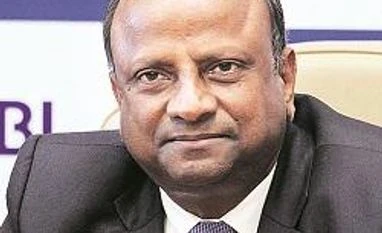
Rajnish Kumar Chairman, SBI
Hamsini Karthik Mumbai
3 min read Last Updated : Oct 09 2020 | 12:38 AM IST
The State Bank of India (SBI) stock might have been a laggard under Rajnish Kumar’s leadership. This was the case with all public-sector banks (PSBs). However, Kumar did what few SBI chairmen have accomplished — tuned the SBI stock into a “must-have” for brokerages, including foreign houses such as Morgan Stanley, Jefferies, Macquarie, and UBS, which generally don’t favour PSBs. With 92 per cent ‘buy’ ratings (of 53 brokerages covering the bank according to Bloomberg), optimism is at its highest.

At 83.6 per cent, the provision coverage ratio (PCR) suggests that a major chunk of legacy loans have been taken care of. The loan book tilted in favour of retail — 55:45 being the retail to wholesale split. Analysts say Dinesh Khara is taking over when the bank is in the best shape. “Unless there are any major philosophical differences between Khara and Kumar, churn in the bank’s functioning is unlikely,” says an analyst with a domestic brokerage.

But, that doesn’t mean Khara’s term will be a cakewalk. A little over 10 per cent of SBI’s loan outstanding were under moratorium. Until a few weeks back, Kumar affirmed that the requests for loan restructuring weren’t high. With time available till December, Khara’s first major task will be to handle the loans that come for recast. Whether SBI’s gross non-performing assets (NPAs) ratio, which fell to 5.4 per cent in the June quarter (down over 200 basis point year-on-year), will continue its downward momentum or get disrupted due to the pandemic needs monitoring. Retail and MSMEs are two segments where stress could emerge.


A sharp trend reversal in NPAs might hamper SBI’s position among investors and analysts, which may hurt the bank given its Rs 20,000 crore fundraising plans. This would be Khara’s second major task, as SBI might be hitting the market after a gap of three years. The previous fundraise (qualified institutional placement) in October 2017 helmed by Arundhati Bhattacharya was a huge success. Can Khara bring back the magic, just when investors lapped up stocks of private banks when they went shopping for capital, will be interesting to watch.

As for growth, he has set a target of 6-7 per cent in FY21. While that might not be tough to achieve, can it ring in qualitative growth is the question. With the retail segment beginning to show pressure and limited well-rated corporates to lend to, quality growth would be tough.


One subscription. Two world-class reads.

Already subscribed? Log in

Subscribe to read the full story →
*Subscribe to Business Standard digital and get complimentary access to The New York Times

Smart Quarterly

₹900

3 Months

₹300/Month

SAVE 25%

Smart Essential

₹2,700

1 Year

₹225/Month

SAVE 46%
*Complimentary New York Times access for the 2nd year will be given after 12 months

Super Saver

₹3,900

2 Years

₹162/Month

Subscribe

Renews automatically, cancel anytime

Here’s what’s included in our digital subscription plans

Exclusive premium stories online

  • Over 30 premium stories daily, handpicked by our editors

Complimentary Access to The New York Times

  • News, Games, Cooking, Audio, Wirecutter & The Athletic

Business Standard Epaper

  • Digital replica of our daily newspaper — with options to read, save, and share

Curated Newsletters

  • Insights on markets, finance, politics, tech, and more delivered to your inbox

Market Analysis & Investment Insights

  • In-depth market analysis & insights with access to The Smart Investor

Archives

  • Repository of articles and publications dating back to 1997

Ad-free Reading

  • Uninterrupted reading experience with no advertisements

Seamless Access Across All Devices

  • Access Business Standard across devices — mobile, tablet, or PC, via web or app

Topics :sbiSBI stockpublic sector banksRajnish KumarCompass

Next Story



