Facebook-Jio deal may see more foreign e-commerce firms flock to India

WhatsApp's integration into Jio's e-com platform holds the key: Experts
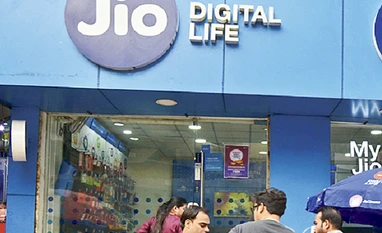
reliance jio
Facebook-Jio deal may not throw up any major tax issues, other than tax complexities associated with e-commerce business, said Abhishek Rastogi, partner at Khaitan & Co.
Sudipto Dey New Delhi
2 min read Last Updated : Apr 23 2020 | 12:45 AM IST
Some recent regulatory developments may have precipitated the Facebook-Jio deal. Going forward, this may increasingly prompt foreign e-commerce operators to consider setting up base in India, say legal and tax experts.
 
Pressure from the recently-expanded scope of Equalisation Levy that covers non-resident e-commerce platforms, the Reserve Bank of India’s (RBI’s) mandate that all data related to payments should be stored only in Indian systems, besides the rigours of an imminent Data Protection Law have played their part in shaping the Facebook-Jio deal, noted Tarun Jain, partner, BMR Legal.
 
The deal may not throw up any major tax issues, other than tax complexities associated with e-commerce business, said Abhishek Rastogi, partner at Khaitan & Co. The expanded scope of Equalisation Levy, as per the Finance Act 2020, is unlikely to influence the deal since most Jio platforms are likely to qualify as Indian e-commerce operator.

“It will, however, be interesting to watch the manner in which WhatsApp is integrated with these platforms and facilitates online transactions,” said Lokesh Shah, partner, L&L Partners.
 
Given the wide scope of Equalisation Levy, which also includes a facilitator such as WhatsApp service, the applicability will need to be examined based on the actual role of WhatsApp/ Facebook, Shah added.
 
Experts, however, point out that becoming an Indian tax resident could turn out to be a double-edged sword for foreign e-commerce players as it would expose the global income of such operators to tax in India.


“E-commerce operators can be expected to choose a calibrated balance between their commercial interests and tax consequences, which would depend upon their unique factual setting and extent of India operations,” said Jain.
 
Experts said the regulatory and tax implications of the deal would become clearer once the operational details of Jio’s digital e-commerce platform are known.

One subscription. Two world-class reads.

Already subscribed? Log in

Subscribe to read the full story →
*Subscribe to Business Standard digital and get complimentary access to The New York Times

Smart Quarterly

₹900

3 Months

₹300/Month

SAVE 25%

Smart Essential

₹2,700

1 Year

₹225/Month

SAVE 46%
*Complimentary New York Times access for the 2nd year will be given after 12 months

Super Saver

₹3,900

2 Years

₹162/Month

Subscribe

Renews automatically, cancel anytime

Here’s what’s included in our digital subscription plans

Exclusive premium stories online

  • Over 30 premium stories daily, handpicked by our editors

Complimentary Access to The New York Times

  • News, Games, Cooking, Audio, Wirecutter & The Athletic

Business Standard Epaper

  • Digital replica of our daily newspaper — with options to read, save, and share

Curated Newsletters

  • Insights on markets, finance, politics, tech, and more delivered to your inbox

Market Analysis & Investment Insights

  • In-depth market analysis & insights with access to The Smart Investor

Archives

  • Repository of articles and publications dating back to 1997

Ad-free Reading

  • Uninterrupted reading experience with no advertisements

Seamless Access Across All Devices

  • Access Business Standard across devices — mobile, tablet, or PC, via web or app

Topics :WhatsApp PayFacebookReliance JioReliance Industries LimitedMukesh AmbaniwhatsappE-commerce firmsIndian e-commerce industrydata protection lawsReserve Bank of India RBI

Next Story



