As states rush to showcase their start-up mettle, French group Dassault is pitching itself as an aggressive enabler in the space. A top official of Dassault Systemes, a software multinational and part of the aviation-to-information technology family, said there had been several layers of talks with Chhattisgarh, Gujarat, Tamil Nadu, Karnataka, Maharashtra, Rajasthan, Himachal Pradesh, and Telangana.
Since Prime Minister Narendra Modi announced the Startup India policy last Independence Day, states have been working to project themselves as ultimate destinations for entrepreneurs.
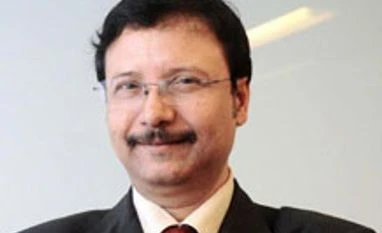
Start-up companies need access to cutting-edge technology and design platforms to help them succeed, Chandan Chowdhury, managing director, Dassault Systemes India, told Business Standard. “We need to look beyond the traditional ‘ease of doing business’, tax benefits, physical infrastructure, credit guarantee, funding etc for start-ups.” The company has built an innovation platform — 3D Experience Platform — which can be hosted in the data centre of both the central and state governments. The French group had spent $3 billion to develop the platform and launched it in 2012.
Internationally, too, other cities and states are starting to recognise the importance of virtual digital innovation platforms to encourage a healthy start-up environment, according to Chowdhury.
“For instance, a city in China recently deployed this platform in their data centre, to attract start-up companies, and encourage them to leverage this platform to accelerate their innovation process.”
It is believed that a successful start-up environment will enhance employment numbers, increase economic activities and contribute positively to the gross domestic product growth of a country.
Chowdhury cites the example of French company XtreeE for revolutionising the construction process with 3D printing and digital technologies using the Dassault solution. With studies estimating the annual number of deaths due to medical errors in the hundreds of thousands, the time has come to revise the way the medical profession gains knowledge and experience. Advances in 3D printing technology and virtual simulation are creating new opportunities to improve the quality of treatments and patient safety.
Healthcare start-up Biomodex is innovating in this area also by developing sophisticated software and fabricating life-like human organs that can be used by medical students to learn and by doctors to practise surgical procedures before a live operation.
ABBALab in Japan has also adopted the solution to facilitate start-up hub in the Internet of Things space. LMN Architects in the US is another example to have used the cloud-based platform.
There are other players, too, such as SAP and Oracle, which offer their expertise in similar areas to governments and corporations across the world. SAP recently announced the launch of SAP Startup Studio, an accelerator programme that will provide mentoring, infrastructure, and technology support to early-stage start-ups. Early this year, Oracle announced the launch of its first start-up incubation centre in India.
Chowdhury said: "If this platform is made available to start-ups, it can act as a powerful catalyst to convert the government’s start-up vision into a realistic possibility." It can be leveraged to help start-ups accelerate their speed of innovation, to connect with their end customers, and increase the success rate of new products and services launched by entrepreneurs, Chowdhury adds.
For instance, the solution can be used for designing products virtually while staying connected with potential end consumers. It can even help create a virtual agile factory to carry out digital manufacturing as well. Not only that, start-ups can try out different ideas in the virtual world before executing a project in the physical world, Chowdhury said.
Among the benefits of such a solution for a start-up are cost reduction by 33 per cent, and cutting down of cycle time for new product development. Innovation through ‘target zero defect’ strategy or 'get it right the first time' is also among the gains that a start-up could look for.
WHAT A 3D EXPERIENCE PLATFORM OFFERS - It can be hosted in the data center of both the central and state governments
- Can act as a catalyst to convert the government’s start-up vision into a possibility
- Start-ups can step up their speed of innovation and increase the success rate
- It can help create a virtual factory to carry out digital manufacturing
- Start-ups can try out ideas in the virtual world before executing a project in the physical world
- Capex and product lead time can be cut by 33%
(Source: Dassault)

 "Funding, tax sops not enough to lure start-ups: Dassault India MD")

