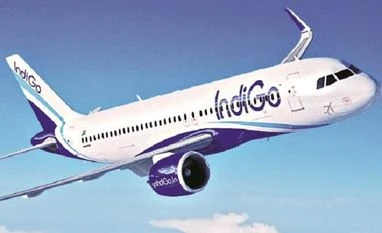
The order for 280 engines to power Airbus A320neo and A321neo aircraft will include service and maintenance, the airline’s statement said.
CFM International, the GE-Safran venture, will deliver the first engine by 2020. This was first reported by Business Standard in its May 30 edition.
“We are pleased to partner with CFM for our next batch of Airbus A320neo and A321neo aircraft,” said Riyaz Peermohamed, chief aircraft acquisition and financing officer, IndiGo.
He added, “The CFM LEAP engine will allow IndiGo to maintain its strong focus on lowering operating costs and delivering fuel efficiency with high standards of reliability. This new partnership will allow IndiGo to continue to provide affordable fares to its customers.”
The order is a blow to Pratt, a division of United Technologies, which has grappled with delivery delays and groundings in India after spending $10 billion to develop its fuel-efficient geared turbofan for single-aisle jets.
The new deal strengthens CFM’s presence in India, the world’s fastest growing aviation market last year. The local affiliate of Singapore Airlines and state-run Air India are already using its turbines.
A move by IndiGo, Asia’s biggest budget carrier by market value, to CFM would be a key reputational negative for Pratt’s geared turbofan and could hurt future sales campaigns. Since induction in 2016, Pratt & Whitney engines have faced multiple issues, primarily because of design flaws that have grounded planes, delayed deliveries, and prompted hundreds of millions of dollars in compensation claims.
Operational problems stretched from long engine start up time delaying turnaround of aircraft, problems with the seal of the engine and durability issues with the turbine blades. The situation turned worse in March 2018 when Indian aviation regulator the Directorate General of Civil Aviation grounded 11 A320 Neo aircraft including eight of IndiGo.
The regulator had heightened scrutiny on the turbines leading to higher removal of engines, which caused a shortage of spare engines and forced planes to be grounded till October last year.
“Pratt’s GTF engine has been fantastic for operators in terms of fuel efficiency, reducing fuel burn by almost 16 per cent. But A320 Neo operators across the world feel that the stabilisation period for this engine has been far longer than initially promised. Since there is an option, airlines will naturally weigh that,” said an industry source.
One subscription. Two world-class reads.
Already subscribed? Log in
Subscribe to read the full story →
Smart Quarterly
₹900
3 Months
₹300/Month
Smart Essential
₹2,700
1 Year
₹225/Month
Super Saver
₹3,900
2 Years
₹162/Month
Renews automatically, cancel anytime
Here’s what’s included in our digital subscription plans
Exclusive premium stories online
Over 30 premium stories daily, handpicked by our editors


Complimentary Access to The New York Times
News, Games, Cooking, Audio, Wirecutter & The Athletic
Business Standard Epaper
Digital replica of our daily newspaper — with options to read, save, and share


Curated Newsletters
Insights on markets, finance, politics, tech, and more delivered to your inbox
Market Analysis & Investment Insights
In-depth market analysis & insights with access to The Smart Investor


Archives
Repository of articles and publications dating back to 1997
Ad-free Reading
Uninterrupted reading experience with no advertisements


Seamless Access Across All Devices
Access Business Standard across devices — mobile, tablet, or PC, via web or app
)