A co-pilot had to land a plane of 121 with a passenger’s assistance in Delhi around midnight on Wednesday, after the pilot fainted. The passenger on the Jet Airways’ Bangkok-Delhi flight was an off-duty pilot of the airline.
The Directorate General of Civil Aviation (DGCA) is investigating the matter and the commander in question has been grounded, pending a medical check-up.
It was a Boeing 737. The commander is a former air force pilot and has been with the airline for 10 years.
The co-pilot radioed the Delhi air traffic control about the commander being out of action, when the aircraft was 40 minutes from landing. An emergency was declared at the Delhi airport.
The aircraft had to be towed from the runway as the tiller (steering wheel) used for manoeuvring the aircraft on ground is situated adjoining the commander's seat on the left side of the cockpit.
Pilots undergo pre-flight breathalyser tests to ascertain if they have consumed alcohol, but there is no mandatory medical examination before each flight.
Jet Airways confirmed the incident. Airline executives said the commander recovered and walked out on his own upon landing.
The airline said: “The captain of flight 9W063 from Bangkok-Delhi fell sick during the latter part of the flight. The first officer took over as the commander and declared an emergency as per company and regulatory requirements. This is done so that the flight is accorded high priority and preparations are made for the flight's arrival on the ground. The aircraft landed safely at Delhi airport. The captain was being looked after by a doctor that was travelling as a passenger on board the flight. The first officer was assisted by another Jet Airways captain that was positioning as a passenger from Bangkok to Delhi. As part of our flight training program, the flight crew and cabin crew of Jet Airways are routinely trained to handle this as well as other possible exigencies that may develop during flight.”
A senior captain said: “There is a laid-down checklist to be followed in case one of the pilots is incapacitated. This training is included in annual or biannual proficiency checks. This includes immobilising the incapacitated pilot using a seat harness, sliding the seat back to ensure that the pilot’s hand or feet do not accidentally touch the controls, engaging the autopilot and notifying the air traffic control about the emergency. Typically, pilots practise incapacitation checks in a simulator for landing and take-off which are critical phases of the flight.”

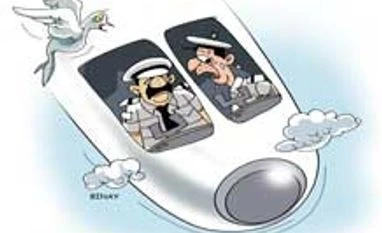 "Jet Airways pilot falls 'sick' on flight causing emergency landing in Delhi")


 Connect with us on WhatsApp