Which is your favourite campaign and why? My most favourite ad campaign is the “Real men of genius” by Bud Light beer. That was a legendary, long-running campaign. They might have made some 20 films and 30 radio spots. And they have all won international awards. The campaign is in a template, in a world of humour, gratifying the ordinary man, the aam aadmi, with a little tongue-in-cheek sarcasm and pinch of salt. It’s basically a satire — showing real men like a really bad dancer, the guy who invented the foot-long (sandwich) and so on.
On what parameters did you base your decision? First of all, the whole idea is very honest. I think people expect good-looking men on air, but when you take real-looking men with paunches, the brand doesn’t intimidate or repel. You naturally welcome in your heart and mind someone who is a simpleton and real... just like you. The campaign was the definition of long-running and set in template ad. You can do a million “Real men of genius”. The brand needs to speak the same line for the longest time possible. That apart, the humour also came into play beautifully.
What do you think was the key idea the campaign was trying to drive home? That let’s just do ads for real guys (common men). I also presume a “sale” was on the mind as women would have been among its smaller pool of consumers.
Did anyone ever say the ad promoted gender-biased stereotypes? See the ads were targeting men. There’s more consciousness about this issue today. You can say in those days there was a certain lack of sensitivity. Those days were simplistic and one-dimensional. Today, we will be conscious. Also, when a brand goes light, say, like when Coke goes diet, it doesn’t want to be carved into a soft niche or deemed feminine. There’s a perception that lights are only for females. I assume they (ad makers) took a conscious decision to go male to not let Bud Light go soft.
What are your takeaways from the campaign?
The power of a story. The heart and the thumb are connected. The idea and the story are the heroes. If we like them, we tend to click and see the ad. Indian advertising has a few things to learn. We are enamoured of celebrities who are not part of our lives. So Bud Light showed real (common) men.
Also, here in India, we overdo the product and forget the brand. Clients forget one very big thing — that brands sell, products don’t. They (“Real men…” makers) haven’t spoken about the light ingredients that just made the brand cool, assuming you know what it is.
Would you have changed anything in the campaign?
I would have launched a beer brand with a baseline of equality. Imagine a beer brand that has women in it... being themselves, who don’t need to be like men. You can be in a bar with a pint of beer and look pretty, that’s like breakthrough. I personally like to make something that shakes up, that is scandalous. I would deliberately do a beer ad on women and ask can you (men) match up to them.
Do you remember any names who worked on the campaign?
Yes. The ad jingle was sung by the “Eye of the tiger” singer Dave Bickler of the American rock band Survivor.

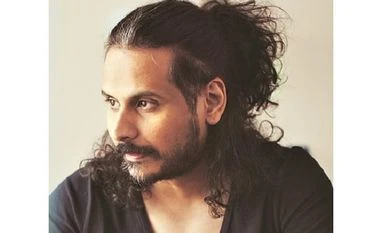 "My favourite campaign is 'Real men of genius': FCB Ulka's Keegan Pinto")











