ONGC, Oil India worst hit by domestic gas price cuts; GAIL set to gain

Rising share of gas in the volume mix in a falling price scenario is negative for them
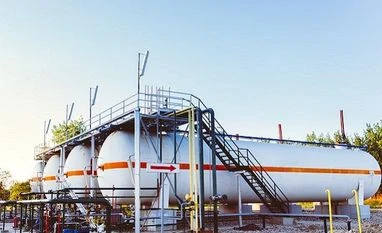
Will natural gas play the game-changer in India's energy future?
Natural gas
Ujjval Jauhari
3 min read Last Updated : Oct 03 2019 | 1:09 PM IST
The first gas price cuts for domestic gas in over two years may not be good news for upstream companies like ONGC and Oil India Ltd (OIL), but they might turn out to be a cause for cheer for gas utilities. While ONGC and OIL may see a 2.5 per cent and 5 per cent reduction in FY20 and FY21 earnings, respectively, the same may lead to a 1 per cent and 1.5 per cent earnings boost for GAIL, according to analysts at IIFL.

The prices of domestic natural gas, from October 1, 2019 to March 31, 2020, have been fixed at $3.23/mmbtu (million British thermal units) about 12.5 per cent lower than $3.69/mmbtu that prevailed during first six months of the fiscal. Even for gas produced from discoveries in deepwater, ultra deepwater and high pressure-high temperature areas, the prices have been cut by 9.5 per cent to $8.43/mmbtu on the back of falling international gas prices.

The news is not good for upstream companies like ONGC and OIL with the share of gas rising in their production volume. Analysts say that gas contributes to more than 40 per cent of ONGC/OIL production volume and, going forward, gas contribution to the volume mix is likely to grow. Not surprising then that the two upstream PSUs saw a 1.7-2.7 per cent decline in their stock prices on Monday.

The news, however, is positive for GAIL that uses domestic administered pricing mechanism-based gas for its LPG extraction unit and hence will see better profitability. The city gas distributors (CGD), however, pass most of the price cuts to the consumers and hence will benefit indirectly from volume boost. Analysts say that on running cost basis, Compressed Natural Gas (CNG), used by automobiles, is competitive by 45-60 per cent compared to alternative fuels and declining prices will boost demand further. CGDs such as Indraprastha Gas, Gujarat Gas and Mahanagar Gas are already benefitting from rising demand for cost effective cleaner fuel as pollution control measures push industrial demand and they benefit from geographical expansions further.

While Reliance Industries also is natural gas producer, the contributions have continued to decline over a period of time. Analysts say that the impact of a price cut for RIL would be muted (0.5 per cent and 1 per cent, respectively, during FY20 and FY21 respectively). 

One subscription. Two world-class reads.

Already subscribed? Log in

Subscribe to read the full story →
*Subscribe to Business Standard digital and get complimentary access to The New York Times

Smart Quarterly

₹900

3 Months

₹300/Month

SAVE 25%

Smart Essential

₹2,700

1 Year

₹225/Month

SAVE 46%
*Complimentary New York Times access for the 2nd year will be given after 12 months

Super Saver

₹3,900

2 Years

₹162/Month

Subscribe

Renews automatically, cancel anytime

Here’s what’s included in our digital subscription plans

Exclusive premium stories online

  • Over 30 premium stories daily, handpicked by our editors

Complimentary Access to The New York Times

  • News, Games, Cooking, Audio, Wirecutter & The Athletic

Business Standard Epaper

  • Digital replica of our daily newspaper — with options to read, save, and share

Curated Newsletters

  • Insights on markets, finance, politics, tech, and more delivered to your inbox

Market Analysis & Investment Insights

  • In-depth market analysis & insights with access to The Smart Investor

Archives

  • Repository of articles and publications dating back to 1997

Ad-free Reading

  • Uninterrupted reading experience with no advertisements

Seamless Access Across All Devices

  • Access Business Standard across devices — mobile, tablet, or PC, via web or app

Topics :Gas prices

Next Story


