3 min read Last Updated : Dec 16 2020 | 11:26 PM IST
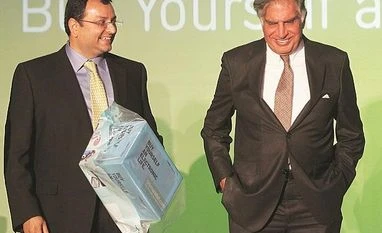
Shapoorji Pallonji (SP) Group on Wednesday questioned in the Supreme Court the manner in which Cyrus Mistry (pictured) was removed as chairman of Tata Sons in October 2016, and claimed that there was an “ex-facie” breach of Articles of Association in the process.
The counsel appearing for SP Group firms told a Bench headed by Chief Justice S A Bobde about the importance of selecting the chairman of Tata Sons, and said it is “so crucial” as it affects so many stakeholders in several countries.
Senior advocate Shyam Divan, appearing for SP group firms, referred to the Articles of Association of Tata Sons and said it provides that a selection committee shall be constituted to recommend the appointment of a person as chairman of the board of directors, and the board may appoint the person so recommended as the chairman — subject to Article 121 — which requires the affirmative vote of all directors appointed pursuant to Article 104B.
He told the Bench, also comprising Justices A S Bopanna and V Ramasubramanian, that the Article itself says that the same process shall be followed for the removal of the incumbent chairman.
“….this Article is breached in so far as the removal of Cyrus Mistry is concerned and therefore, there is ex-facie a breach of Article,” Divan told the Bench.
The apex court was hearing the cross appeals filed by Tata Sons and Cyrus Investments against the appellate tribunal NCLAT’s order, which had restored Cyrus Mistry as executive chairman of the over-$100-billion salt-to-software Tata conglomerate.
At the outset, Divan said he would indicate 10 broad points, including the alleged oppression and purported breach of Article.
“My eighth point is that since we are dealing with an equitable jurisdiction, the status of Tata Sons as the controlling entity at the very top, at the apex of Tata Group is very, very important. Why. Because actions that take place in the board and in the conduct impacts minority shareholders, group entities, employees and shareholders of other group companies as well,” he said during the arguments, which would continue on Thursday.
Divan, who referred to the facts recorded by the National Company Law Appellate Tribunal (NCLAT) in the matter, said, “My final point is that the reliefs sought, such as proportionate representation, are consistent with the Companies Act”.
He said when Mistry was removed as chairman on October 24, 2016, Ratan Tata was not a member of the Tata Sons board at the commencement of the meeting.