How the super-rich are getting scammed in the opaque private jet market

There are 21,000 business jets worldwide, which cost their owners about $32 billion to run. This sum can be decreased by a quarter if operations are optimized, My Sky estimates

private jet
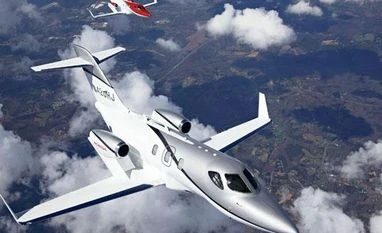
Honda Motor Co., better known for cars and motorcycles, rolled out the HA-420, a petite six-seater with a scorching top speed close to 500 mph
Bloomberg
3 min read Last Updated : Mar 09 2019 | 12:30 PM IST
Five grand for mystery sushi. Seven for plastic cups. And more fuel than the plane could possibly hold.

Such are the deceptions stinging the billionaires and mere millionaires of today’s private jet-set class. In an era of ultra-wealth, reports of shady billing related to private-jet travel are on the rise.

It says as much about this era of hyper-wealth as about modern-day fraudsters. So much money is sloshing around the world that, inevitably, crafty operators are seeking a slice, trying to help themselves to what they figure is a mere rounding error to a billionaire. About a third of private-jet owners are worth more than $500 million, according to a 2018 report by VistaJet and Wealth-X.

Some fraud attempts are almost comical. One jet owner found himself charged 4,000 pounds ($5,300) for 240 sushi boxes apparently served on board his jet while it was empty, according to My Sky, a company whose software helps scrutinize and manage private-jet costs. Another was charged 6,000 euros ($6,800) for plastic cups after the provider mistakenly added two zeros to the invoice. Still another customer’s refueling bill ended up exceeding the capacity of the plane’s fuel tanks by more than two tons.

Keeping Track

Part of the problem is the sheer quantity of paperwork and bills associated with private air travel. One flight can generate dozens of invoices, for fuel, food, over-flight permissions, airport fees, on-ground services, crew hotels, re-positioning flights and maintenance. And every trip is different. That makes it hard for globetrotting billionaires to keep track.

With complex assets like jets and yachts, “there is a tendency for people not to understand the cost structure, so if someone puts an invoice in front of them, they’ll sign it,” said Mike Brodsky, a managing director at Deloitte Financial Advisory Services.

It’s not clear whether such attempts to overcharge are becoming more prevalent or simply more visible in today’s world of social media and technology. While there’s no precise accounting of the amounts lost through inefficiency and fraud by ultra-wealthy households, they likely run into the billions of dollars a year.

“Any numbers out there about the amount of fraud against ultra-high-net worth people is understated, because many people won’t admit to it,” Brodsky said.

There are 21,000 business jets worldwide, which cost their owners about $32 billion to run. This sum can be decreased by a quarter if operations are optimized, My Sky estimates.

One jet broker, who asked not to be identified when talking about potential customers, said he’s seen evidence of overcharging and that it’s common for jet owners to fall out with their management companies.

Some aircraft operators now say that providing transparency has become an essential selling point.

“All our negotiations are focused on getting the best fares for our aircraft owners,” said Bjorn Naberhuis, vice president for business development at Global Jet Concept, adding that their clients can find invoices on its online portal and review cost breakdowns. “The owners and their family offices are getting more and more educated and understand more and more about this market.”

But frustration remains high with the industry. A chief operating officer for a large family office, who didn’t want to be identified discussing private business arrangements, describes jet management companies as “a necessary evil” and recently switched to a new one. The old company gave him information that was disorganized and hard to review, and didn’t try to get him the best pricing, he said.

“It’s an absolutely nontransparent market,” said Kirill Kim, co-founder of My Sky. “You can’t control any of your costs.”

One subscription. Two world-class reads.

Already subscribed? Log in

Subscribe to read the full story →
*Subscribe to Business Standard digital and get complimentary access to The New York Times

Smart Quarterly

₹900

3 Months

₹300/Month

SAVE 25%

Smart Essential

₹2,700

1 Year

₹225/Month

SAVE 46%
*Complimentary New York Times access for the 2nd year will be given after 12 months

Super Saver

₹3,900

2 Years

₹162/Month

Subscribe

Renews automatically, cancel anytime

Here’s what’s included in our digital subscription plans

Exclusive premium stories online

  • Over 30 premium stories daily, handpicked by our editors

Complimentary Access to The New York Times

  • News, Games, Cooking, Audio, Wirecutter & The Athletic

Business Standard Epaper

  • Digital replica of our daily newspaper — with options to read, save, and share

Curated Newsletters

  • Insights on markets, finance, politics, tech, and more delivered to your inbox

Market Analysis & Investment Insights

  • In-depth market analysis & insights with access to The Smart Investor

Archives

  • Repository of articles and publications dating back to 1997

Ad-free Reading

  • Uninterrupted reading experience with no advertisements

Seamless Access Across All Devices

  • Access Business Standard across devices — mobile, tablet, or PC, via web or app

Next Story




