We see demand returning in eight-nine months: Anant Goenka
Interview with Managing Director, CEAT
Swaraj Baggonkar Mumbai Mumbai-based tyre maker CEAT is confident demand for vehicles and tyres will return in the coming quarters. In anticipation, the company will increase production at its Gujarat facility. Managing Director
Anant Goenka speaks to Swaraj Baggonkar on the company’s outlook. Edited excerpts:
How did Ceat perform in the quarter ended March? Overall, there was eight per cent growth; we reported an improvement in profitability. The year was very stable; raw material prices have been stable. Therefore, we closed the quarter with a good profit margin of about 12 per cent. Some of our steps helped us improve — we moved to car, utility vehicle and motorcycle tyres, in which growth was 20 per cent. Truck tyre sales have been flat. Growth in the original equipment manufacturers segment was 15 per cent.
Where do you see the margins heading? Largely, we expect things to remain where they. We expect margins to be 10-12 per cent through the next six months.
What toll did the fire at Bhandup take on costs? The net loss should be Rs 3.5 crore, assuming we get the insurance money. We are very confident we will be able to get the claim, as there was no sabotage at the plant. Insurance companies have a five per cent disallowance charge; we will lose only that. We might have to rebuild the building, with another couple of crores. The total loss due to the fire was Rs 35-40 crore.
How do you see demand panning out through the next couple of quarters? Demand continues to be a challenge. Once we have a stable government at the Centre, we should be able to see some pick-up in demand for commercial vehicle tyres. It is important the sentiment returns to the market. We should be able to see demand returning in eight-nine months time, maybe from January.
Where are raw material costs headed? For now, raw material costs are quite stable. Prices of rubber, which accounts for 40 per cent of our costs, have fallen three-four per cent in the last month or so. So, we will see an impact in the performance for the quarter ending June. I do not see raw material prices rising.
When was the last time you raised rates? Should one expect any rise going forward? We have not raised rates. In fact, in March 2013, we had announced a cut of 1-1.5 per cent. Going forward, we don’t see any change in our pricing. But prices also depend on what the competition is doing.
What about expansion plans? We are running the Halol plant in Gujarat at 150 tonnes a day, or 90 per cent of the utilisation levels. We are also undertaking two further capacity expansions. First, we are investing Rs 650 crore at the Halol plant to raise capacity to about 110 tonnes a day; we would be producing radials for cars and utility vehicles from the same plant. Second, we are investing Rs 275 crore in the Bangladesh plant for a capacity to 65 tonnes a day; this could be further increased to 100 tonnes a day. The plant will go on stream in the second quarter of 2015.

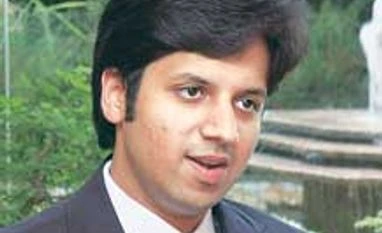 "We see demand returning in eight-nine months: Anant Goenka")


 Connect with us on WhatsApp