Aaroyga Setu app to become open source, says govt after privacy controversy

'Unique thing to be done,' says Niti Aayog CEO about Aaroyga Setu
Aarogya Setu app, coronavirus, flights
The government has pushed the Aaroyga Setu aggressively, advising people to install it as they travel or work in offices
BS Web Team New Delhi
2 min read Last Updated : May 26 2020 | 10:27 PM IST
The computing code of Aaroyga Setu, India’s coronavirus-tracing app, will be opened up for independent developers to check and make suggestions, said the government on Tuesday after privacy activists flagged their worries about its safety and use.

The app's Android version will be made open source first and other makes later, said the government. “This is a unique thing to be done. No other government product anywhere in the world has been open sourced at this scale. Today its scale and size is 115 million. It cuts across phones, IVRS. Only product available in 12 languages. All Covid-19 related apps put together, Aarogya Setu is bigger than all of them," Amitabh Kant, chief executive officer of Niti Aayog, was quoted as saying in a LiveMint report.


The government has pushed the Aaroyga Setu aggressively, advising people to install it as they travel or work in offices. The app give users colour-coded designations based on their health status and travel history.

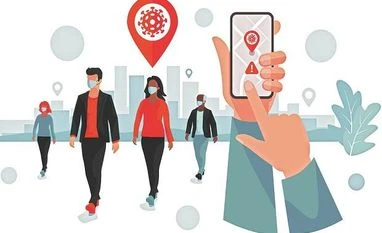
When two smartphones with Aarogya Setu installed come in each other's Bluetooth range, the app will collect information. If one of the two people have already tested positive, the app will alert the other person and in the process allow the government to trace potential cases.

Privacy activists and cyber security experts have warned against its misuse. Phishing attacks in the name of Aarogya Setu are witnessing a "high rise" as cheats are taking advantage of the increased inquisitiveness of internet users during the Covid-19 pandemic, CERT-In (Indian Computer Emergency Response Team) said on May 16.


It said attackers are also impersonating tools linked to the World Health Organisation and popular video-conferencing platforms like Zoom to steal sensitive data.

Phishing denotes to the cyber term of luring and cheating an internet user through a fake SMS or email and thereby breaching their privacy to steal sensitive information.

One subscription. Two world-class reads.

Already subscribed? Log in

Subscribe to read the full story →
*Subscribe to Business Standard digital and get complimentary access to The New York Times

Smart Quarterly

₹900

3 Months

₹300/Month

SAVE 25%

Smart Essential

₹2,700

1 Year

₹225/Month

SAVE 46%
*Complimentary New York Times access for the 2nd year will be given after 12 months

Super Saver

₹3,900

2 Years

₹162/Month

Subscribe

Renews automatically, cancel anytime

Here’s what’s included in our digital subscription plans

Exclusive premium stories online

  • Over 30 premium stories daily, handpicked by our editors

Complimentary Access to The New York Times

  • News, Games, Cooking, Audio, Wirecutter & The Athletic

Business Standard Epaper

  • Digital replica of our daily newspaper — with options to read, save, and share

Curated Newsletters

  • Insights on markets, finance, politics, tech, and more delivered to your inbox

Market Analysis & Investment Insights

  • In-depth market analysis & insights with access to The Smart Investor

Archives

  • Repository of articles and publications dating back to 1997

Ad-free Reading

  • Uninterrupted reading experience with no advertisements

Seamless Access Across All Devices

  • Access Business Standard across devices — mobile, tablet, or PC, via web or app

Topics :CoronavirusLockdownAmitabh KantNiti AayogData Privacy

Next Story



