CBI Director has to be role model of independence and integrity, says SC
The high-powered committee, which selects the CBI chief, comprises of the Prime Minister, the Chief Justice of India and the Leader of Opposition or the leader of the single largest opposition party.
Press Trust of India New Delhi CBI Director has to be a "role model of independence and integrity" and that can only be ensured by freedom from all kinds of control and interference, the Supreme Court said Tuesday.
The top court, which paved the way for comeback of Alok Kumar Verma as CBI Director by setting aside orders of the CVC and the Centre divesting him of his duties and sending him on leave, observed that the legislative intent is to ensure "complete insulation" of the office of CBI chief from all kind of "extraneous influences".
A bench headed by Chief Justice Ranjan Gogoi said the long history of evolution has shown that institution of CBI has been perceived to be necessarily kept away from all kinds of extraneous influences so that it could perform its role as the premier investigating and prosecuting agency without any fear and favour and in the best public interest.
"The head of the institution, namely, the Director, naturally, therefore, has to be the role model of independence and integrity which can only be ensured by freedom from all kinds of control and interference except to the extent that Parliament may have intended," said the bench, also comprising Justices S K Kaul and K M Joseph.
It referred to section 4B (2) of the Delhi Special Police Establishment (DSPE) Act, which said that CBI Director shall not be transferred except with the previous consent of the selection committee.
The high-powered committee, which selects the CBI chief, comprises of the Prime Minister, the Chief Justice of India and the Leader of Opposition or the leader of the single largest opposition party.
"If the legislative intent would have been to confer in any authority of the state a power to take interim measures against the Director, CBI thereby affecting his functioning, surely, the legislation would have contained enabling provisions to that effect and consequently would have been differently worded and drafted," the bench noted.
It further said, "If the word 'transferred' has to be understood in its ordinary parlance and limited to a change from one post to another, as the word would normally convey and on that basis the requirement of 'previous consent of the committee' is understood to be only in such cases, i.e. purely of transfer, such an interpretation would be self-defeating and would clearly negate the legislative intent".
Referring to the legislative intent, the bench said it would require all authorities to keep away from "intermingling or interfering" in the functioning of the CBI Director.
"In a situation where such interference may at all be called for, public interest must be writ large against the backdrop of the necessity," the court said in its 44-page judgement.
It, however, added that relevance and adequacy of reasons giving rise to such a "compelling necessity" could only be tested by the opinion of the selection committee which has the power to make recommendations for appointment of CBI director.
"This alone can provide an adequate safeguard to ensure the independence of the office keeping in view the legislative intent, as found and held by us," the bench said.
The top court set aside the October 23 last year orders of the Central Vigilance Commission (CVC) and the Department of Personnel and Training (DoPT) divesting Verma of his powers and asking CBI's Joint Director M Nageshwar Rao to look after the duties and functions of the agency's Director.
Verma's two-year tenure as CBI Director ends on January 31.
Verma had approached the top court challenging the orders of the CVC and the DoPT divesting him of his powers and sending him on leave.

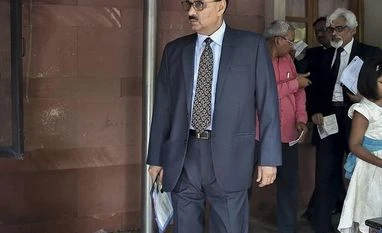 "CBI Director has to be role model of independence and integrity, says SC")


 Connect with us on WhatsApp