In the New York study, scientists examined the effect of a range of mutations on the ability of antibodies, collected from four people, to neutralise the virus. The researchers found that none of the antibodies were affected by the E484K mutation. Yet two of the samples saw a reduction in neutralisation ability when challenged with mutations occurring at different positions in the spike protein. This highlights the uniqueness of the antibody response produced by different people.
Both these laboratory studies used only a few samples collected from people who were naturally infected, as opposed to vaccinated, so the results may differ, as we know immunity gained through vaccination is generally more robust. Consequently, several research groups have recently released data, as preprints, examining the impact of this mutation on vaccine-induced protection.

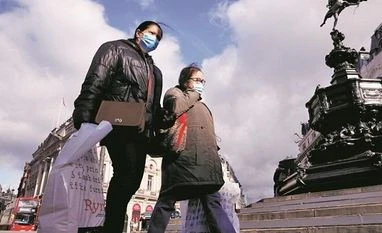 "Now, coronavirus UK strain shows concerning mutation: What you need to know")










 Connect with us on WhatsApp