Dabholkar practised what he preached
He jolted many common beliefs that emanated from a superstition prone social mindset
Press Trust of India Pune Slain rationalist Narendra Dabholkar's lifestyle demonstrated a rare quality of practicing one's own preaching as he jolted many common beliefs that emanated from a superstition prone social mindset.
His relentless resistance to what he thought was unscientific was encompassed not just the fight against black magic, human sacrifice to discover hidden treasures, exorcism and god-men who cheated and exploited the gullible, but also the concept of "Vastu-Shastra".
"Dr Dabholkar (a qualified doctor with MBBS degree) also adopted an anti-Vastu Shastra stand calling it unscientific and built his own house in hometown of Satara which faced south, contrary to the popular belief that it is an inauspicious direction for entrance," recalled one of his close associates in the anti-superstition campaign which the activist pioneered in Maharashtra.
"Following in his footsteps, many of us preferred to stay in houses facing south in order to propagate scientific yardsticks and non-acceptance of any belief that went against rational thinking," said Vinod Shirsat, Executive Editor of Pune-based "Sadhana" weekly of which Dabholkar was the chief editor.
Dabholkar, who led a simple life, campaigned against lavish marriages that showcased a vulgar display of wealth in a society ridden with disparities.
"He saw to it that his son Hamid and daughter Mukta were married in a simple manner without any pomp and fanfare and returned home after formal registration of marriage. The dates selected for tying the knot too did not follow the common practice of consulting the almanac to decide the auspicious days for such occasions", Shirsat recalled.
The activist with a rare courage of conviction, even refused to attend the ceremonial reception arranged by the family of his daughter-in-law.
Constantly on the move, touring various interior parts of Maharashtra to carry on with his life long mission of eradication of superstitions as part of social reforms, Dabholkar always clad in a simple "kurta" never opted for comfortable stay in hotel or lodges but preferred the houses of ordinary villagers whom he had roped in to strengthen the progressive movement.
"He named his son (Hamid) after the prominent Muslim social reformist of Maharashtra the late Hamid Dalwai years ago, raising eyebrows among the orthodox," said Shirsat.
Even the cremation of the man who assiduously championed rationalism, was performed without any religious rites by the family members.
"But his wish to donate body could not be honoured because it was subjected to autopsy after he fell to the bullets of those who could not defeat his thought and spirit," he added.

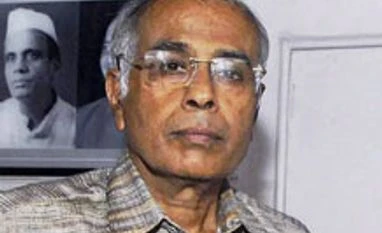 "Dabholkar practised what he preached")


 Connect with us on WhatsApp