
Delhi govt to operate DMRC e-buses through multi-modal transit system
In addition, for the operation of additional 380 electric buses, six stations have been identified - Welcome, Kohat Enclave, Rithala, Nangloi, Mundka and Dwarka
 "Delhi govt to operate DMRC e-buses through multi-modal transit system")
WebinarsNew
Deep DiveNew
Explore Business Standard
In addition, for the operation of additional 380 electric buses, six stations have been identified - Welcome, Kohat Enclave, Rithala, Nangloi, Mundka and Dwarka
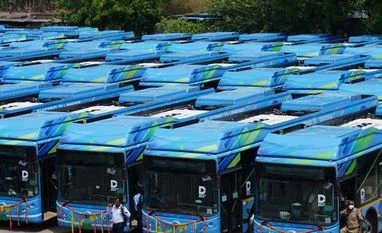
Delhi government will soon take over the Delhi Metro Rail Corporation (DMRC) electric bus fleet to strengthen the last-mile connectivity across the city.
The Delhi Cabinet recently took the decision to take over 100 existing E-buses and also operate additional 380 feeder E-buses under the transport department in 2023.
DMRC has been operating feeder E-buses in East and North clusters since December 2019, from Shastri Park and Majlis Park depots. Now, these buses will be run by the transport department through Delhi Integrated Multi-Modal Transit System (DIMTS).
In addition, for the operation of additional 380 electric buses, six stations have been identified - Welcome, Kohat Enclave, Rithala, Nangloi, Mundka and Dwarka. DMRC will be constructing the bus depots at these locations. The transport department shall operate all these feeder buses per kilometre basis, which means the operators will be paid by the distance covered during the day.
The proposal comes as a part of the recommendation provided by the Route Rationalization Study conducted by the transport department. In October, the first phase of the study was implemented with the standard (12 metre) buses operating across 26 new routes including Trunk (2), Central Business District (CBD) (3), Primary (18) and Airport routes (3) with a frequency of 5 to 20 mins during the peak hours.
The study recommended using Mini/Midi buses to operate in the areas where the 12-meter-long DTC and cluster buses cannot operate due to the smaller width of the road or the passenger load not being very high. In these routes and to serve rural parts of Delhi, operating smaller-size buses offers better financial sustainability and convenience to the commuters, connecting their areas to nearby transit hubs.
On the development, Delhi Transport Minister Kailash Gahlot said in a statement, "With a good response received from the implementation of the pilot of Route Rationalization Study, these new smaller size electric feeder buses will further boost the last mile connectivity for the people.'"
He further said, "A comprehensive study helped us understand the actual origin and destination of the bus commuters in the city, which led to designing new routes with a faster frequency of a bus in the required areas. We are also ensuring that all new buses being added in the city are electric in a bid to make our public transport completely pollution free.
(Only the headline and picture of this report may have been reworked by the Business Standard staff; the rest of the content is auto-generated from a syndicated feed.)
First Published: Dec 28 2022 | 6:38 AM IST


 Connect with us on WhatsApp