The Delhi Traffic Police has intensified its crackdown against pollution violators and those still plying old vehicles with deployment of teams at 170 locations across the city, officials said on Sunday.
The crackdown has been undertaken to execute the city government's Winter Action Plan against rising air pollution.
Delhi Chief Minister Arvind Kejriwal on Saturday in a meeting had announced emergency measures to deal with the pollution crisis the city is currently facing.
The meeting was attended by senior traffic officials among other departments' officials.
In the meeting, the CM directed all concerned departments, including traffic, to strictly enforce guidelines issued to curb pollution.
"We are already working on the winter action plan in our bid to curb pollution. Since October especially, our priorities have been to prosecute vehicles causing pollution related violations, a senior Delhi Traffic Police officer said.
We are impounding old diesel and petrol vehicles and also checking vehicles for valid pollution under control (PUC) certificates," the officer added.
As part of its plan, the traffic police has deployed its teams at several locations where checks are being done to see if vehicles have a valid PUC certificate or not.
"At each of the 170 identified locations across our traffic circles, we have deployed our teams at three different spots. These teams check whether a vehicle has a valid PUC certificate or not.
Most of these spots are located near petrol pumps, where the vehicles can be checked easily for such violations and at the same time drivers advised to get the certificates immediately," the officer said.
Joint Commissioner of Police (Traffic) Manish Kumar Agarwal said the Winter Action Plan has been implemented with strict orders to the traffic personnel to check pollutant-emitting vehicles.
"We are taking pollution issue very seriously. Strict instructions have been passed on to our traffic personnel to ensure that pollution level remains low and that our department contributes its best to safeguard our environment and ensure that our citizens get clean air to breathe," Agarwal told PTI.
The traffic police have also deployed teams at 13 pollution hotspots' to keep a tab on the level of pollution in those areas and relay the information further up for necessary action.
According to the Delhi Traffic Police data, the force has issued 59, 644 challans for PUC certificate violations, and 1201 challans against those plying 10 and 15 years old vehicles from January 1 to October 31 this year.
During the same period, it impounded 855 vehicles which were 10 or 15 years old (based on whether they petrol or diesel).
The Winter Action Plan was enforced by the traffic police last month, officials said.
The police are taking action against big vehicles such as trucks, which are found driving with uncovered construction material, as they are likely to mix with air and contribute to air pollution.
The data showed police challaned 873 such vehicles which were found carrying material used in construction or similar purpose without proper covering.
To further curb vehicular pollution, the officer said vehicles which are not bound for Delhi are being diverted from borders towards peripheral highways.
"If a vehicle has to go to Azadpur Mandi, it will be allowed inside the city. But those which are using internal roads of the city to go outside Delhi will not be allowed and diverted accordingly by our teams, the officer said.
Since some of our borders are already blocked owing to farmers' agitation, we are not facing much issue and vehicles are anyway taking other routes.
The officials said they are also trying to ease traffic jams by asking people to drive in lanes, and even though it has its limitations because of high traffic volume, they are issuing challans to violators.
The data showed that the police issued challans to 1623 vehicles for not following their lanes.
Police is leaning on other means as well to ease congestion, such as issuing an alarm against thronging to a heavy traffic spot and asking commuters to take a diversionary route.
They said Google Maps is already being utilised to identify congested areas and steps are being taken to reduce congestion on the 77 specific major corridors of the city.
The Traffic Department has also instructed its personnel on ground to wear masks, gloves, and ensure their own safety while dealing with the deteriorating air quality in the national capital.

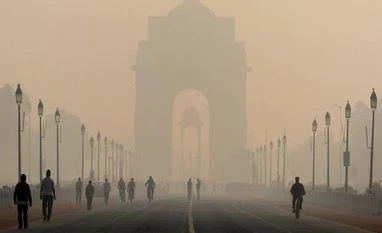 "Delhi Traffic Police cracks down on pollution with teams at 170 spots")


 Connect with us on WhatsApp