
EV policy will reduce carbon emission by 4.8 mn tonnes in 4 yrs: Delhi govt
Delhi's EV policy will contribute to 4.8 million tonnes of reduction in carbon emissions by 2024
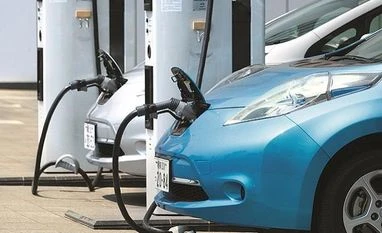 "EV policy will reduce carbon emission by 4.8 mn tonnes in 4 yrs: Delhi govt")
WebinarsNew
Deep DiveNew
Explore Business Standard
Delhi's EV policy will contribute to 4.8 million tonnes of reduction in carbon emissions by 2024
The Delhi government's electric vehicle policy will help reduce carbon emissions by 4.8 million tonnes by 2024, Dialogue and Development Commission Vice Chairperson Jasmine Shah said on Wednesday.
Shah said this while sharing the Delhi government's vision for clean and green future of mobility at the prestigious UNFCC 'Race to Zero Dialogue: Launching the global race to zero-emission mobility' on Wednesday.
The dialogue was organised by the climate group in collaboration with the UN High-Level Climate Champions and the UK COP26 Presidency.
Addressing a global audience of climate activists and leaders from business and government, Shah said, "The motivation behind Delhi's ambitious roadmap to transition of zero-emission vehicles is to address both climate change and the health emergency that arises from the high level of air pollution in Delhi."
The Delhi government's EV policy focuses on a very clear goal - 25 per cent of all newly-registered vehicles should be EVs by 2024. As of now, the number is 0.2 per cent, he said.
"This clarity has enabled the government to focus on all steps that need to be taken to facilitate this transition. Delhi's EV policy will contribute to 4.8 million tonnes of reduction in carbon emissions by 2024," Shah said.
Elaborating on the five key pillars of Delhi's EV policy, he said, "First, we targeted fiscal incentives for specific vehicle segments that contribute maximum to vehicular pollution in Delhi's and India's context, which are two and three-wheelers."
Second, the government introduced non-financial incentives to help overcome barriers that might hamper EV adoption. For instance, the administration has allowed bike taxis to ply in Delhi only if they are EVs.
"Third, we see it as the government's duty to facilitate the setting up of charging infrastructure - in public as well as private complexes such malls, offices," Shah said.
"Fourth, we believe governments will have to take the lead in conducting public awareness campaigns to sensitise and inform citizens of the benefits of EVs, and finally, our policy also focuses on skill training related to jobs that will arise as a result of this transition to green economy," Shah said.
(Only the headline and picture of this report may have been reworked by the Business Standard staff; the rest of the content is auto-generated from a syndicated feed.)
First Published: Nov 11 2020 | 8:56 PM IST

