
Trade war, higher US interest rate pose capital flight risk for India: S&P
India remains vulnerable to capital outflow pressures arising from higher US interest rates
 "Trade war, higher US interest rate pose capital flight risk for India: S&P")
WebinarsNew
Deep DiveNew
Explore Business Standard
India remains vulnerable to capital outflow pressures arising from higher US interest rates
Trade issues and higher US interest rate could create outward capital flow pressure for India, but risks this year are more moderate compared with 2013, S&P Global Ratings said on Friday.
In its report APAC Economic Snapshots- July 2018', S&P said Asia-Pacific region's macroeconomic growth momentum remains strong despite further trade tensions between the US and China.
It said economic data from India continue to be positive overall. The purchasing manager indices are above 50 and trending upward, suggesting a broad-based and strengthening upturn.
The rupee has stabilised in recent weeks, although trade issues and higher US interest rate could again create outward capital flow pressure, S&P said.
Credit growth is also accelerating. Trade growth looks robust, but higher oil prices are hurting the overall external balance. Rising oil prices are also pushing inflation higher, it added.
While India remains vulnerable to capital outflow pressures arising from higher US interest rates, capital flight risks this year are more moderate compared with 2013, when markets globally responded sharply to the US Fed's slower quantitative easing," S&P Global Ratings Chief Economist Paul Gruenwald said.
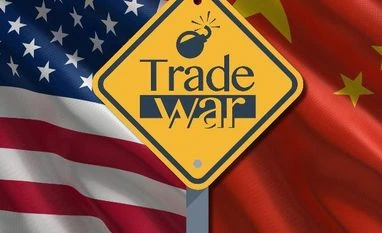
Imposition of high import duty by the US has triggered a trade war like situation with other countries like China, Europe, India too resorting to higher tariffs.
After maintaining record low-interest rates for six years for reviving economic growth since the 2008 financial crisis, the US Fed began raising rates since December 2015. The rates have been hiked five times since January 2017.
S&P said the key risk for the region's economic growth and welfare stems from the ongoing global trade tensions.
The US continues to expand the tariff net on China and other trading partners, who would then retaliate against US trade measures.
This is a risky path that could lead to slower global growth and reduced welfare for consumers, it added.
First Published: Jul 20 2018 | 11:27 AM IST


 Connect with us on WhatsApp