Hyderabad incident: DGCA orders engine inspection of SpiceJet 14 Q400 plane

On October 12, a SpiceJet Q400 plane with 86 passengers on board conducted an emergency landing in Hyderabad as smoke was detected in the cabin when it was mid-air
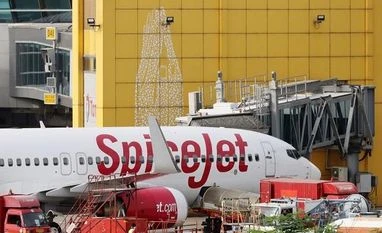
SpiceJet
Deepak Patel New Delhi
2 min read Last Updated : Oct 17 2022 | 8:02 PM IST
Aviation regulator DGCA on Monday ordered SpiceJet to conduct boroscopic inspection of 28 Pratt and Whitney 150A engines on 14 Q400 turboprop aircraft within one week.

On October 12, a SpiceJet Q400 plane with 86 passengers on board conducted an emergency landing in Hyderabad as smoke was detected in cabin when it was mid-air.

In a statement on Monday, the Directorate General of Civil Aviation (DGCA) said that during the preliminary investigation, it found engine oil in engine bleed-off valve which had led to the oil entering the aircraft's air-conditioning system, resulting in smoke in the cabin.

Therefore, the engine oil samples from 14 operational Q400 planes must be taken and sent to engine manufacturer Pratt and Whitney Canada for oil analysis to "ascertain presence of metal and carbon seal particles", it mentioned.

There has to be inspection of bleed-off valve screens in 14 Q400 planes, it stated.

The regulator said SpiceJet should not send any engine to Standard Aero, maintenance, repair and overhaul (MRO) organisation based in Singapore, which had conducted maintenance work on the engine of Q400 plane that was involved in October 12 incident.

SpiceJet must conduct "one time boroscopic inspection of all operational engines within one week and completion of the boroscopic inspection of three engines, which have been received from Standard Aero, Singapore, by tonight (Monday night)", it mentioned.

SpiceJet did not respond to Business Standard's request for a statement on this matter.

The latest directions come at a time when SpiceJet is already under the DGCA’s enhanced surveillance. Following a spate of incidents involving the airline's planes, the regulator, on July 27, capped the maximum flights that can be operated by it to 50 per cent. Last month, the curbs were extended till October 29.

SpiceJet incurred net losses of Rs 316 crore, Rs 934 crore, Rs 998 crore and Rs 1,725 crore in FY19, FY20, FY21 and FY22, respectively. The airline incurred Rs 789 crore loss in Q1 of FY23.

The carrier's Chairman and Managing Director, Ajay Singh, had on August 31 this year said the airline will engage with investment bankers to raise up to $200 million.

One subscription. Two world-class reads.

Already subscribed? Log in

Subscribe to read the full story →
*Subscribe to Business Standard digital and get complimentary access to The New York Times

Smart Quarterly

₹900

3 Months

₹300/Month

SAVE 25%

Smart Essential

₹2,700

1 Year

₹225/Month

SAVE 46%
*Complimentary New York Times access for the 2nd year will be given after 12 months

Super Saver

₹3,900

2 Years

₹162/Month

Subscribe

Renews automatically, cancel anytime

Here’s what’s included in our digital subscription plans

Exclusive premium stories online

  • Over 30 premium stories daily, handpicked by our editors

Complimentary Access to The New York Times

  • News, Games, Cooking, Audio, Wirecutter & The Athletic

Business Standard Epaper

  • Digital replica of our daily newspaper — with options to read, save, and share

Curated Newsletters

  • Insights on markets, finance, politics, tech, and more delivered to your inbox

Market Analysis & Investment Insights

  • In-depth market analysis & insights with access to The Smart Investor

Archives

  • Repository of articles and publications dating back to 1997

Ad-free Reading

  • Uninterrupted reading experience with no advertisements

Seamless Access Across All Devices

  • Access Business Standard across devices — mobile, tablet, or PC, via web or app

Topics :DGCASpiceJetaviation safetyHyderabadaircraftsAviation industryaviation SpiceJetAirplanesPlanesIndian aviation

Next Story



