Too early for India to have a no-fly list: Air Passengers Association chief

In a Q&A, D Sudhakara Reddy says move not needed for now in a country with several first-time flyers
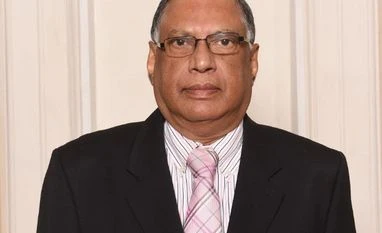
D Sudhakara Reddy, Air Passengers Association of India, President
D Sudhakara Reddy
Ranjita Ganesan
Last Updated : May 13 2017 | 7:13 PM IST
The Civil Aviation ministry on May 5 proposed a national ‘no-fly’ list to punish unruly passengers. The draft rules include disruptive behaviour such as verbal harassment or rude gestures, sexual harassment and murderous assault. Each airline will have to form a committee to decide on the ban. Passengers will have an appeal provision. This list comes in light of an incident in March, where Shiv Sena MP Ravindra Gaikwad allegedly assaulted an Air India employee. D SUDHAKARA REDDY, president of the Air Passengers Association of India (APAI), speaks to Ranjita Ganesan to share the concerns and expectations of passengers.

The incident involving MP Ravindra Gaikwad brought the issue into discussion. How prevalent is unruly behaviour among passengers, and is a national no-fly list necessary?
While it is necessary, it is too early for a country like ours, as we are a developing country with the largest number of first-time flyers taking to air travel for faster and more comfortable journeys. It is not necessary at present.

In the US, the no-fly list is aimed mainly at preventing movement of suspected terrorists. In India, it has been proposed to control unruly behaviour. Do other countries take similar action?
Yes, it is very true that most terrorists are on the no-fly list in the US. Unruly behaviour is rare and under control.

Three categories of bad behaviour have been outlined, and a ban of two to three years or lifetime has been suggested. Are these guidelines satisfactory?
There has to be more clarity, and the government must involve all stakeholders in a face to face meeting, and understand the ground realities. Only then, can they come up with rules if required.

According to the draft, a three-member committee will take a final decision for the airline, and other national/international airlines can take cognisance of this. The passenger can approach appellate committee for relief. Will this be enough to ensure protection of passengers?
To only some extent. Is it practical to have such committees on a district level and who pays the passenger to travel to attend such a hearing? Will it be over in one sitting? A lot of issues have to be thought of, before such committees are put into place.

The draft is in the public domain until finalisation around the end of June. What suggestions do you have for amendments?
We believe the draft has been prepared in a hurry and has not taken ground realities into consideration. The explanation for each level of offence is vulnerable to different interpretations by opposing parties. There is no clarity and there is a wide scope for misuse by airlines. In the case of delay beyond one to two hours, and if no responsible officer of the airline is present to answer the passengers’ questions, what do you expect passengers to do? Sit quietly like prisoners of War? This has to be addressed. How can we expect passengers will not behave in an unruly fashion? There are thousands of such situations in our country, where a passenger is treated like a captive prisoner. There have to be transparent rules clearly defining unruliness and under what circumstances.

There are a large number of first-time flyers as well. Would there be awareness among them about the various norms and expectations?
It is the responsibility of the government and airlines to educate travellers on these rules for at least six months before they are put into practice. Even after these rules come into force, DGCA must insist on airlines distributing a leaflet along with boarding pass to educate the passengers on the implications.

Should there be a similar set of rules for flight crew too?
Not only flight crew but also ground staff of airlines who often tease the passengers.

What other changes need to be brought in to improve civil aviation? Flight delays have been reported regularly, for example.
The entire passenger rights prevalent in our country must undergo changes. We must come out with guidelines similar to EU passenger rights which are a time-tested one.

One subscription. Two world-class reads.

Already subscribed? Log in

Subscribe to read the full story →
*Subscribe to Business Standard digital and get complimentary access to The New York Times

Smart Quarterly

₹900

3 Months

₹300/Month

SAVE 25%

Smart Essential

₹2,700

1 Year

₹225/Month

SAVE 46%
*Complimentary New York Times access for the 2nd year will be given after 12 months

Super Saver

₹3,900

2 Years

₹162/Month

Subscribe

Renews automatically, cancel anytime

Here’s what’s included in our digital subscription plans

Exclusive premium stories online

  • Over 30 premium stories daily, handpicked by our editors

Complimentary Access to The New York Times

  • News, Games, Cooking, Audio, Wirecutter & The Athletic

Business Standard Epaper

  • Digital replica of our daily newspaper — with options to read, save, and share

Curated Newsletters

  • Insights on markets, finance, politics, tech, and more delivered to your inbox

Market Analysis & Investment Insights

  • In-depth market analysis & insights with access to The Smart Investor

Archives

  • Repository of articles and publications dating back to 1997

Ad-free Reading

  • Uninterrupted reading experience with no advertisements

Seamless Access Across All Devices

  • Access Business Standard across devices — mobile, tablet, or PC, via web or app

Next Story



