Named after an area in Malaysia where the first outbreak of the viral fever was reported, Nipah is understood to have a mortality rate of 70 per cent. Here are a few important things to know about the virus, nipah virus symptoms in humans, its immediate outbreak in Kerala, and precautions:
The Nipah virus infection: The World Health Organization (WHO) describes Nipah virus (NiV) infection as a "newly emerging zoonosis that causes severe disease in both animals and humans". The natural host of the virus, according to WHO, are fruit bats of the Pteropodidae family, Pteropus genus (fruit-eating species).
How does Nipah virus infection spread and what are the symptoms? The transmission of the Nipah virus takes place through the following means:
- Direct contact with infected bats
- Direct contact with infected pigs
- Direct contact with other NiV-infected people
The infection with Nipah virus is associated with encephalitis (inflammation of the brain), says the Center for Disease Control and Prevention. The tell-tale signs of somebody having been infected by the Nipah virus are the following:
- An infected person shows symptoms of fever and headache in 3-14 days of exposure and an incubation period of five to 14 days
- Clinical signs are fever, headache, dizziness and vomiting, followed by drowsiness, disorientation and mental confusion
- More than 50 per cent of the patients face a reduced level of consciousness and prominent brain-stem dysfunction
- Some patients have a respiratory illness during the early part of their infections, and half of the patients with severe neurological signs also show pulmonary signs

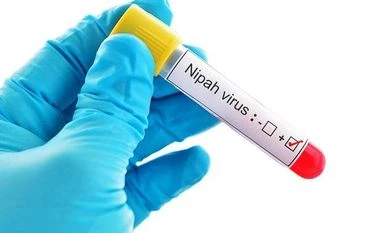 "Nipah outbreak: 10 die in Kerala, no treatment available; all we know so far")









