
Odisha records highest rainfall deficiency in monsoon in 23 years
Odisha recorded its highest rainfall deficiency this monsoon in over two decades, the MeT Centre has said, amid fears that the dry spell could trigger a drought in the state
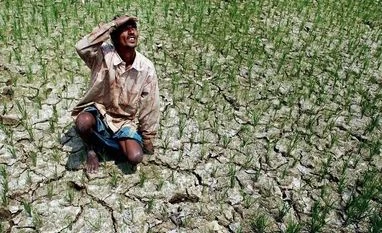 "Odisha records highest rainfall deficiency in monsoon in 23 years")
WebinarsNew
Deep DiveNew
Explore Business Standard
Odisha recorded its highest rainfall deficiency this monsoon in over two decades, the MeT Centre has said, amid fears that the dry spell could trigger a drought in the state
Odisha recorded its highest rainfall deficiency this monsoon in over two decades, the MeT Centre has said, amid fears that the dry spell could trigger a drought in the state.
Odisha received only 661.1 mm of rain between June 1 and August 31 this year against a normal of 935.8 mm, a deficiency of 29 per cent, the Meteorological Centre here said.
This was the sixth occasion in the last 120 years when the southwest monsoon rain during the period has been deficient by 29 per cent or more, an official release said on Wednesday.
The previous rain-deficient years were 1924 (636.2 mm), 1954 (646.8 mm), 1974 (658.7 mm), 1987 (641.4 mm) and 1998 (657.5 mm), the department said.
The seasonal deficit is mainly due to a large deficiency in August. Rainfall over the state during the month was 204.9 mm against a normal of 366.4 mm, recording a deficiency of 44 per cent, it said.
There were only three times in the last 120 years that the August rainfall was less than 204.9 mm -- 1965 (187.3 mm), 1987 (190.3 mm) and 1998 (203.5 mm).
In the three-month period of the current monsoon, only six out of 30 districts in the state were under the normal category and 24 districts under the deficient category. Four districts -- Jajpur, Bhadrak, Bolangir and Angul -- have a deficiency of 40 per cent or more, the MeT Centre said.
In August, only four districts recorded normal rainfall, while 18 were under the deficient category. Eight districts -- Boudh, Sambalpur, Subarnapur, Angul and Bolangir, Kandhamal, Bargarh and Jajpur -- are under the large deficient category, it said.
Apparently, the absence of depression and less number of low-pressure areas -- only two observed -- over the Bay of Bengal during August caused less amount of rainfall, the weatherman said.
The monsoon trough was also located north of its normal position on most days in August, causing subdued monsoon activities, it said.
The India Meteorological Department has forecast that the state would receive normal rainfall of 226.6 mm rainfall in September.
On Tuesday, Chief Minister Naveen Patnaik had directed officials to prepare a contingency crop plan and take measures to mitigate farmers' problems.
(Only the headline and picture of this report may have been reworked by the Business Standard staff; the rest of the content is auto-generated from a syndicated feed.)
First Published: Sep 02 2021 | 10:48 AM IST


 Connect with us on WhatsApp