Peace and tranquillity at border essential, says EAM to Chinese envoy
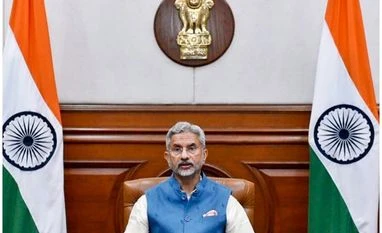
Peace and tranquillity in the border areas are essential for normal ties between India and China, External Affairs Minister S Jaishankar conveyed to outgoing Chinese Ambassador Sun Weidong
Press Trust of India New Delhi Peace and tranquillity in the border areas are essential for normal ties between India and China, External Affairs Minister S Jaishankar conveyed to outgoing Chinese Ambassador Sun Weidong on Wednesday.
Jaishankar made the remarks when the envoy called on him.
India and China are locked in a lingering border standoff in eastern Ladakh for over 29 months. The bilateral relationship came under severe strain following the deadly clash in Galwan Valley in Eastern Ladakh in June, 2020.
"Received Ambassador Sun Weidong of China for a farewell call. Emphasized that the development of India-China relations is guided by the 3 Mutuals. Peace and tranquility in the border areas is essential," the external affairs minister tweeted.
"The normalization of India-China relations is in the interest of both countries, of Asia and the world at large," he said.
India has been asserting that the Sino-India ties must be based on three mutuals: mutual sensitivity, mutual respect and mutual interest.
In his farewell remarks at an event on Tuesday, Sun said it is natural for China and India to have some differences but the focus should be to seek common ground for development while resolving the pending issues through dialogue.
Last month, the Indian and Chinese militaries carried out disengagement from the Patrolling Point 15 in the Gogra-Hotsprings area last month.
However, there has been no progress yet on resolving the standoff in the Demchok and Depsang regions.
India has been consistently maintaining that peace and tranquillity along the LAC were key for the overall development of the bilateral ties.
The eastern Ladakh border standoff erupted on May 5, 2020, following a violent clash in the Pangong lake areas.
Both sides gradually enhanced their deployment by rushing in tens of thousands of soldiers and heavy weaponry.
As a result of a series of military and diplomatic talks, the two sides completed the disengagement process last year on the north and south banks of the Pangong lake and in the Gogra area.
The disengagement in the Pangong Lake area took place in February last year while the withdrawal of troops and equipment in Patrolling Point 17 (A) in Gogra took place in August last year.
(Only the headline and picture of this report may have been reworked by the Business Standard staff; the rest of the content is auto-generated from a syndicated feed.)

 "Peace and tranquillity at border essential, says EAM to Chinese envoy")


 Connect with us on WhatsApp