In India, in the cities of small and medium size, we can avoid the mistakes we have made in our larger cities. In Swachh Bharat, the cities that have excelled are those like Mysuru, Indore, and Tirunelveli, while other small or medium cities like Pammal, Suryapet, Namakkal, Panaji, and Uttarpara had begun to clean up their act even before the Swachh Bharat Mission.
Also, we must plan and implement solid-waste management in the right way in the new cities that are coming up. Magarpatta, outside of Pune, is a good example. It would have suffered the fate of most other peripheral towns with haphazard urbanization, except that the farmers owning land there came together to form a development company and planned and implemented the transformation of the area into a modern sustainable city, including through management and safe disposal of their solid waste in the centre of their colony. They were helped by the fact that they had as their mentor B G Deshmukh, who could guide them as the chief secretary of Maharashtra and later as Cabinet secretary and principal secretary in the Prime Minister’s Office. If you visit Magarpatta today, you won’t believe you are in India. It should be possible to develop new Magarpattas across the country. But for the existing 8,000-odd towns and cities in India, Magarpatta is not a solution; it is at best an inspiration.

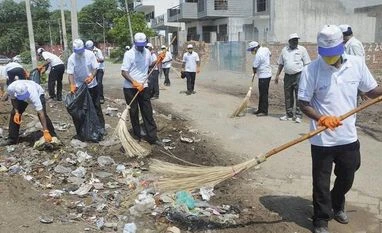 "Swachh Bharat: A public health crisis is upon us; here is how to avert it")









