
IMF chief warns global economy 'not out of the woods,' dangers lurk
In a report to the G20, the IMF warned that rising protectionism and renewed trade tensions endangered the recovery
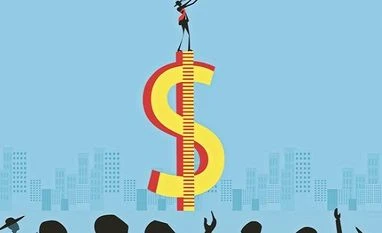 "IMF chief warns global economy 'not out of the woods,' dangers lurk")
premium
Explore Business Standard
In a report to the G20, the IMF warned that rising protectionism and renewed trade tensions endangered the recovery
Global economic activity is picking up after an unprecedented decline this year due to the coronavirus pandemic, but a second major wave of infections could trigger more disruptions, the International Monetary Fund's top official said.
IMF Managing Director Kristalina Georgieva said the fiscal costs of actions aimed at containing the pandemic and mitigating its economic fallout were driving up already high debt levels, but it was premature to start withdrawing needed safety nets.
"We are not out of the woods yet," she said in a blog posting ahead of Saturday's virtual meeting of finance ministers and central bank governors from the Group of 20 major economies.
The IMF last month further slashed its 2020 global output forecasts, predicting a 4.9% contraction and weaker-than-expected recovery in 2021.
Georgieva said $11 trillion in fiscal measures by G20 members and other countries, as well as massive central bank liquidity injections, have put a floor under the global economy.
Even so, dangers lurked, she said, including a major new wave of infections, stretched asset valuations, volatile commodity prices, rising protectionism and political instability.
Some countries lost more jobs in March and April than had been created since the end of the 2008 global financial crisis, and many of those jobs will never return, Georgieva said.
Job losses, bankruptcies and industry restructuring could pose significant challenges for the financial sector, including credit losses to financial institutions and investors, she said.
To ensure stability, continued coordination across central banks and support from international financial institutions was essential, she said. Regulation should also support the flexible use of capital to keep credit lines open for businesses.
"Monetary policy should remain accommodative where output gaps are significant and inflation is below target, as is the case in many countries during this crisis," she said.
In a report to the G20, the IMF warned that rising protectionism and renewed trade tensions endangered the recovery.
A weak recovery itself raised the chances of disinflation and a prolonged period of low interest rates, which could undermine debt sustainability and financial stability, it said.
Already subscribed? Log in
Subscribe to read the full story →

3 Months
₹300/Month
1 Year
₹225/Month
2 Years
₹162/Month
Renews automatically, cancel anytime

Over 30 premium stories daily, handpicked by our editors


News, Games, Cooking, Audio, Wirecutter & The Athletic
Digital replica of our daily newspaper — with options to read, save, and share


Insights on markets, finance, politics, tech, and more delivered to your inbox
In-depth market analysis & insights with access to The Smart Investor


Repository of articles and publications dating back to 1997
Uninterrupted reading experience with no advertisements


Access Business Standard across devices — mobile, tablet, or PC, via web or app
First Published: Jul 16 2020 | 11:40 AM IST

