India's power companies face cash crunch after PFC rating cut to junk

Electricity projects, already reeling under precarious finances, could see borrowing costs soar if Power Finance isn't able to access the dollar bond market or raises funds overseas

power, electricity, plant, renewables, thermal
Electricity projects, already reeling under precarious finances, could see borrowing costs soar if Power Finance isn’t able to access the dollar bond market or raises funds overseas at higher rates due to the rating cut.
Anurag Joshi & Rajesh Kumar Singh | Bloomberg
2 min read Last Updated : Jul 04 2020 | 12:01 AM IST
A downgrade to junk for a state-run lender to electricity projects risks worsening the cash crunch faced by the nation’s power firms.

Power Finance Corp, India’s top dollar bond issuer in 2019, was cut to BB+ from BBB- by S&P Global Ratings last week, becoming the latest so-called fallen angel that’s dropped below investment grade. Yield premiums on its 3.95 per cent dollar notes due April 2030 surged the most in two months following the downgrade, according to prices compiled by Bloomberg.

Electricity projects, already reeling under precarious finances, could see borrowing costs soar if Power Finance isn’t able to access the dollar bond market or raises funds overseas at higher rates due to the rating cut. This threatens to have a knock-on effect on domestic consumers, who may see an increase in power tariffs even as India’s economy is forecast to contract this fiscal year for the first time in more than four decades due to the coronavirus pandemic and a massive lockdown to contain it.

“Power Finance will find it difficult to tap the dollar bond market, unless they receive an explicit backing from the government,” according to A S Thiyaga Rajan, a senior managing director in Singapore at Aquarius Investment Advisors. “With the downgrade, India’s power sector loses a key funding source in the dollar bond market.”

The risk of Asia-Pacific corporate bonds becoming fallen angels has increased due to the pandemic, and Indian firms are closely watched because several are government-related issuers whose ratings are tied to the country’s, according to Fitch Ratings. India’s sovereign debt score was cut to the lowest investment level with a negative outlook by Moody’s Investors Service last month.

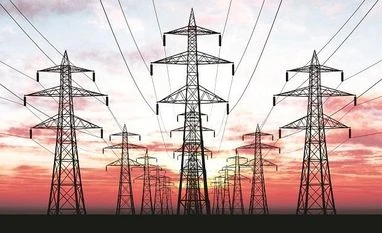
Power Finance spokespeople weren’t immediately able to respond to an emailed request for comment. The Central government has about a 56 per cent stake in the lender. Local power firms increasingly rely on Power Finance and its investment-grade ranked unit REC for funding requirements, with local banks becoming more risk averse to lend to a sector fraught with fuel constraints, regulatory red tape and persistent payment delays from power distributors. 


One subscription. Two world-class reads.

Already subscribed? Log in

Subscribe to read the full story →
*Subscribe to Business Standard digital and get complimentary access to The New York Times

Smart Quarterly

₹900

3 Months

₹300/Month

SAVE 25%

Smart Essential

₹2,700

1 Year

₹225/Month

SAVE 46%
*Complimentary New York Times access for the 2nd year will be given after 12 months

Super Saver

₹3,900

2 Years

₹162/Month

Subscribe

Renews automatically, cancel anytime

Here’s what’s included in our digital subscription plans

Exclusive premium stories online

  • Over 30 premium stories daily, handpicked by our editors

Complimentary Access to The New York Times

  • News, Games, Cooking, Audio, Wirecutter & The Athletic

Business Standard Epaper

  • Digital replica of our daily newspaper — with options to read, save, and share

Curated Newsletters

  • Insights on markets, finance, politics, tech, and more delivered to your inbox

Market Analysis & Investment Insights

  • In-depth market analysis & insights with access to The Smart Investor

Archives

  • Repository of articles and publications dating back to 1997

Ad-free Reading

  • Uninterrupted reading experience with no advertisements

Seamless Access Across All Devices

  • Access Business Standard across devices — mobile, tablet, or PC, via web or app

Topics :CoronavirusCompaniesPower Sectorpower companies

Next Story




