
ADB approves $500 mn for Tamil Nadu water supply, sewerage, drainage infra
The first tranche of the programme amounting to $169 mn will target the cities of Chennai, Coimbatore, Rajapalayam, Tiruchirappalli, Tirunelveli, and Vellore
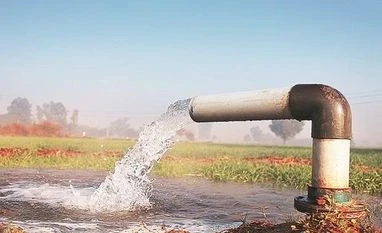 "ADB approves $500 mn for Tamil Nadu water supply, sewerage, drainage infra")
premium
Explore Business Standard

Associate Sponsors
Co-sponsor
The first tranche of the programme amounting to $169 mn will target the cities of Chennai, Coimbatore, Rajapalayam, Tiruchirappalli, Tirunelveli, and Vellore
With almost half of the state population living in cities, Tamil Nadu is the most urbanised of India's large states, said ADB Senior Urban Development Specialist Ron Slangen.
He added that managing this rapid urbanisation is essential for sustaining its economic growth and alleviating poverty. The state suffers from recurring droughts and erratic monsoons linked to climate change, resulting in severe water scarcity and urban flooding.
"ADB's support will help address these complex urban challenges through innovative and climate-resilient investment and deeper institutional support," said Slangen.
Tamil Nadu has the second-largest contribution to India's economy. The rapid influx of people to urban areas is putting severe pressure on infrastructure services and threatening the livability and competitiveness of cities in the state. Urban service levels remain low, with less than half of households served by piped water, and nearly a third of supplied water lost through ageing distribution networks, resulting in an intermittent supply of two hours per day.
Only 42 per cent of households are covered by a sewerage network, with 43 per cent of sewage disposed directly into waterways untreated.
The ADB programme will provide direct assistance in these areas as part of its support to the state's Vision Tamil Nadu 2023 to provide universal access to water and sanitation and to develop world-class cities in high-performing industrial corridors.
ADB's financing will be provided in three tranches between now and March 2022. It will develop climate-resilient sewerage collection and treatment and drainage systems in 10 cities, and install the country's first solar-powered sewage treatment plant on a pilot basis.
The programme will introduce smart water management systems to reduce non-revenue water and strengthen operational efficiency. Around four million people will benefit from piped water and sewerage connections and improved drainage. Beyond physical investments, the programme will boost institutional capacity, public awareness, and urban governance as part of a comprehensive approach for developing livable cities.
The first tranche of the programme amounting to $169 million will target the cities of Chennai, Coimbatore, Rajapalayam, Tiruchirappalli, Tirunelveli, and Vellore. A $2 million grant from the Asian Clean Energy Fund, established by the Government of Japan, will fund the solar energy pilot project. The Government of India, Government of Tamil Nadu, Chennai Metropolitan Water Supply and Sewerage Board, and various urban local bodies will provide $766.4 million towards the total programme cost. An ADB technical assistance grant of $1 million will accompany the programme to support capacity building. The MFF availability period is up to June 30, 2026.
Already subscribed? Log in
Subscribe to read the full story →

3 Months
₹300/Month
1 Year
₹225/Month
2 Years
₹162/Month
Renews automatically, cancel anytime

Over 30 premium stories daily, handpicked by our editors


News, Games, Cooking, Audio, Wirecutter & The Athletic
Digital replica of our daily newspaper — with options to read, save, and share


Insights on markets, finance, politics, tech, and more delivered to your inbox
In-depth market analysis & insights with access to The Smart Investor


Repository of articles and publications dating back to 1997
Uninterrupted reading experience with no advertisements


Access Business Standard across devices — mobile, tablet, or PC, via web or app
First Published: Sep 26 2018 | 12:11 AM IST

