The map is the first step to sieve out the poorest of the poor. The next step is to create “wealth ranking cards”. For this, all families are assigned a card bearing their names. A group of elderly villagers is shown two cards at a time and asked to name the poorer among the two. The process culminates into segregation of packs of up to six bundles, of which one would have the name of the poorest in the lot.
Once the data is collated, the ultra poor are provided with assets for a regular livelihood, including agriculture, rearing of pigs or goats, or selling vegetable and handicraft, among others. This is followed by enterprise building support and constant monitoring. In general, in about 24 months, the beneficiaries qualify into mainstream finance, and in most cases become dedicated clients of Bandhan. The bank has so far supported 85,000 families spread over 12 states, said Ghosh. Each family is provided with support of about Rs 40,000 over a span of two years.

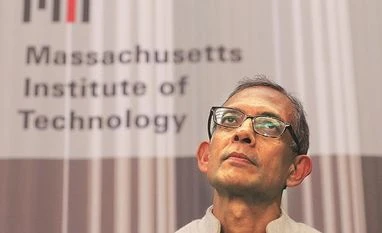 "Bandhan's anti-poverty scheme that caught Abhijit Banerjee's attention")









