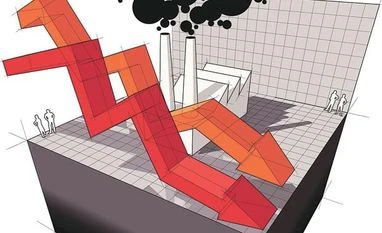
Capital spending may be cut to prevent breach of fiscal deficit targets

Gross of devolution to the states, both direct and indirect taxes have recorded a modest growth in April-July 2018, with the former likely to be on account of high refunds

Run-up to Budget 2018-19: India’s medium-term fiscal outlook under a cloud
Aditi Nayar Mumbai
3 min read Last Updated : Aug 31 2018 | 6:49 PM IST
While the year-on-year (YoY) rise in the fiscal and revenue deficit in the first four months of FY2019, and the piercing of the full year budget estimate for the revenue deficit, are discomfiting, this nevertheless comes on the back of the seasonal trend of modest revenue collections in the early part of the year.

Revenue growth stood at a healthy 15% in April-July 2018, outpacing the 9% rise in revenue expenditure and allowing for a robust 17% expansion in capital outlay. However, for the month of July 2018, while revenue expenditure recorded a considerable 21% growth, capital spending displayed a contraction of 9%.

The YoY decline in the tax revenues of the GoI in the month of July 2018 relative to July 2017, appears to have been led by the provisional settlement of a portion of the unsettled IGST balances between the Centre and the States.

Gross of devolution to the states, both direct and indirect taxes have recorded a modest growth in April-July 2018, with the former likely to be on account of high refunds.

The GoI’s non-tax revenues expanded by a robust 30.1% in April-July 2018, albeit on a small base. Based on the surplus to be transferred by the RBI to the GoI in FY2019, the amount of dividend from nationalised banks and financial institutions and non-financial PSUs to the GoI would need to rise considerably to Rs. 673.1 billion in FY2019 to meet the target, from an estimated Rs. 507.1 billion in FY2018 Prov., which may prove challenging.  

Although disinvestment proceeds stood at Rs. 92.2 billion in April-July 2018, recording 11% growth over the collections in the first four months of FY2018, they nevertheless stood at a limited 11.5% of the BE for FY2019.

The market would continue to monitor the likelihood of meeting the budgeted targets for revenues related to the GST, dividends and profits, and disinvestment, and assess whether the outlays required for revised MSPs, the NHPS, fuel and other subsidies, and bank recapitalisation would prove to be adequate.

While a fiscal slippage in FY2019 may not necessarily arise, there is a risk that capital spending would be curtailed to prevent breaching the fiscal deficit targets.

The size of the market borrowing for both the Central and the State Governments for H2 FY2019 as well as the expectations regarding the magnitude of open market operations to be conducted by the RBI, would influence G-sec yields going forward 


(Aditi Nayar is the principal economist at ICRA Ltd. The views expressed are her own.)  

One subscription. Two world-class reads.

Already subscribed? Log in

Subscribe to read the full story →
*Subscribe to Business Standard digital and get complimentary access to The New York Times

Smart Quarterly

₹900

3 Months

₹300/Month

SAVE 25%

Smart Essential

₹2,700

1 Year

₹225/Month

SAVE 46%
*Complimentary New York Times access for the 2nd year will be given after 12 months

Super Saver

₹3,900

2 Years

₹162/Month

Subscribe

Renews automatically, cancel anytime

Here’s what’s included in our digital subscription plans

Exclusive premium stories online

  • Over 30 premium stories daily, handpicked by our editors

Complimentary Access to The New York Times

  • News, Games, Cooking, Audio, Wirecutter & The Athletic

Business Standard Epaper

  • Digital replica of our daily newspaper — with options to read, save, and share

Curated Newsletters

  • Insights on markets, finance, politics, tech, and more delivered to your inbox

Market Analysis & Investment Insights

  • In-depth market analysis & insights with access to The Smart Investor

Archives

  • Repository of articles and publications dating back to 1997

Ad-free Reading

  • Uninterrupted reading experience with no advertisements

Seamless Access Across All Devices

  • Access Business Standard across devices — mobile, tablet, or PC, via web or app

Topics :GDP

Next Story