Cotton fills warehouses around the world
World inventories at the end of this season will be the second-largest ever, just slightly less than last year's record
Bloomberg There's enough cotton sitting in global warehouses to make more than 127 billion T-shirts, or 17 for each person on the planet. That's bad news for investors betting prices will rise.
World inventories at the end of this season will be the second-largest ever, just slightly less than last year's record, according to a US Department of Agriculture (USDA) forecast last week. It's a signal that supplies will remain ample even after the agency cut its outlook for production. Hedge funds raised their bullish cotton bets to the highest in more than a year, only to face the first weekly price drop since early November.
While threats to the American crop helped make the fiber this year's best-performing commodity, the gains may not last much longer as demand slows. China, the world's largest user, is curbing cotton imports by more than 30 per cent, helping to shrink global trade for a fourth straight year, the International Cotton Advisory Committee estimates.
"As is the case with most commodities, at the moment, there's no particular shortage of cotton," said Fiona Boal, London-based director of commodity research at Fulcrum Asset Management, which oversees $3.7 billion. "To get excited about the cotton market, we will need to see either a weather event or something else that really changes the Northern Hemisphere producers' mind about growing cotton. Otherwise, it's hard to see prices move substantially higher."
Money managers boosted the net-long position in cotton futures and options by 26 per cent to 60,357 contracts in the week ended December 8, according to US Commodity Futures Trading Commission data released three days later. That's the highest since May 2014. Prices in New York slid 1.5 per cent last week to 63.71 cents a pound.
Cotton is one of only two gainers this year among the 22 components of the Bloomberg Commodity Index, which is trading near a 16-year low. But the fiber's rally is starting to dissipate. Prices are now up 5.7 per cent in 2015, paring advances of as much as 13 per cent.
Harvesting in the US, the world's biggest exporter, was hampered by heavy rains this year, and output is expected to fall in China and India. That still wasn't enough to make much of a dent in global stockpiles, which are forecast by the USDA to dip just 6.8 per cent from last year's all-time high. The inventories will also be more than 35 per cent higher than the 10-year average.
There are signs that production will rebound. The USDA forecast that plantings will climb 13 percent to 9.5 million acres next year, a report showed Friday. Societe Generale SA forecasts prices will average 62.9 cents in the first quarter and 62.7 cents in the second. Prices will also be tempered by slowing global economies and changing consumer preferences toward synthetic fibers, Christopher Narayanan, SocGen's head of agricultural research in New York, said in a telephone interview last week.
Even with recent declines in output, "given stockpiles, I just can't imagine prices moving up," said Lara Magnusen, a La Jolla, California-based portfolio manager at Altegris Investments Inc., which oversees $2.59 billion.
Still, US output has been worse than expected after the crop's condition declined throughout the growing season. The government last week reduced its forecast for domestic output 1.9 per cent to 13.03 million bales, citing lower production in North and South Carolina. Analysts had forecast 13.17 million, on average. A bale weighs 480 pounds (218 kilograms).
"Producers have been subject to weather risks," which can help to support prices as stockpiles slowly decline, Tracey Allen, senior commodities analyst with Rabobank International in London, said in a telephone interview. "Challenges for cotton at the moment, I suppose, are that the demand side is relatively tepid."

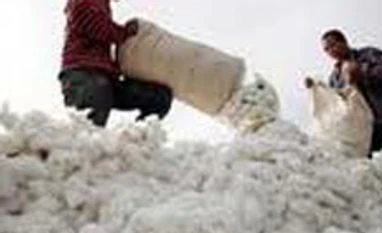 "Cotton fills warehouses around the world")

