An analysis of the operator’s financial numbers reveals an impending crisis. DMRC earned a total revenue of Rs 3,198 crore in 2013-14, including Rs 1,364 crore (43 per cent) from fare box collection and Rs 1,833 crore (57 per cent) of other revenues, including those from real estate, consultancy and external projects.
The growth in revenue from fare box collection, the company’s core area of operation, has dropped sharply from 80 per cent in 2010-11 to 11 per cent in 2013-14, the latest year for which numbers are available. Also, the share of other revenues in the total revenue has risen from 43 per cent in 2009-10 to 57 per cent in 2013-14. Further, the company’s total expenses jumped 29 per cent to Rs 2,006 crore in a single year ending March 2014, indicating how profitability came under pressure.
DMRC’s fares were last revised in 2009 when the minimum fare was raised from Rs 6 to Rs 8 with the maximum fare raised from Rs 22 to Rs 30. For comparison, consumer price index (CPI)-based inflation stood at 9.9 per cent a month on an average for the five year period between 2009 and 2014.
During DMRC’s 12th anniversary celebrations recently, operations director Sharat Sharma had said around 40 per cent of the Metro’s overall expenses go towards paying electricity bills. However, according to DMRC’s own annual report, the corporation spent Rs 250 crore on traction expenses and another Rs 150 crore on “electricity and water expenses” in 2013-14. The traction expense was 12 per cent of the total expenditure of Rs 2,006 crore done in that year.
The corporation has now proposed replacing the existing 15 fare slabs ranging from Rs 8 to Rs 30 with a five-slab system with fares ranging from Rs 10 to Rs 50. The proposal, if implemented, would bring 38 per cent more revenue and resolve the issue of shortage of coins for change.
Another official said DMRC has written at least thrice to the ministry of urban development (MoUD) in the past few years requesting setting up of the fare fixation committee but it is yet to be notified. According to established procedures, the three-member committee is to be headed by a retired judge of the Delhi High Court, comprising Delhi government’s finance secretary and the secretary of MoUD as members. Delhi Metro is a 50:50 partnership between the Delhi government and the Union government.
As per the rule, DMRC requests MoUD to initiate the process of fare revision which seeks the law ministry’s clearance for the names of the prospective judges before sending the proposal to the department of personnel and training (DoPT). DoPT then forwards the names to the appointments committee of cabinet (ACC) for approval. Finally, ACC notifies the committee which has to give its suggestions on fare revision in three months.
According to reports, the ACC has rejected four consecutive proposals from MoUD for appointing the chairman of the committee and had rejected the name of retired justice A K Shrivastava for heading the fare panel earlier this year. An email sent to MoUD seeking information on the status of DMRC’s fare revision remained unanswered. A senior official from the ministry, however, said the ministry had sent a fresh proposal in July suggesting names of five retired judges. “We have sent the proposal to DoPT and it will then go to the ACC. It is up to the ACC to decide on the formation of the committee,” he said.
The delay in revising fares for DMRC comes at a time the corporation is readying the detailed project report (DPR) for phase IV. The proposed 103-km corridor would increase the length of DMRC’s network to over 400 km. With doubts over the availability of funds from Japanese state-owned lending agency JICA, which has funded the debt component of the initial three phases, DMRC has indicated it may have to tap the market for domestic borrowings. A better balance sheet, helped by higher revenue collections through a revised fare structure, should go a long way in meeting Delhi Metro’s borrowing needs on reasonable terms.

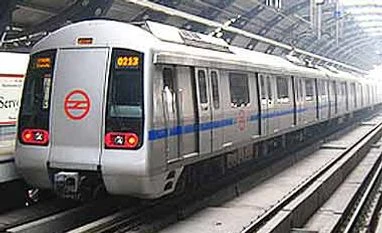 "DMRC facing financial crunch with no fare hike for six years")

