Besides, when using E20, there is an estimated loss of 6-7 per cent fuel efficiency for four-wheelers which are originally designed for regular petrol and calibrated for E10; 3-4 per cent loss for two-wheelers designed for regular, unblended petrol, and calibrated for E10, and 1-2 per cent loss for four-wheelers designed for E10 and calibrated for E20. To offset this, the government might have to consider tax incentives on E10 and E20 fuel.
Also, the cost of flex fuel vehicles (four-wheelers) would be Rs 17,000 to Rs 25,000 higher, and of two-wheeled flex fuel vehicles Rs 5,000 to Rs 12,000 higher, compared to ordinary vehicles, tailored to run on 100 per cent gasoline. The cost of E20 compatible vehicles is also expected to be higher by Rs 3,000 to Rs 5,000 for four-wheelers and Rs 1,000 to Rs 2,000 for two-wheelers. This level of modification and calibration of vehicles will require large scale investment in infrastructure.

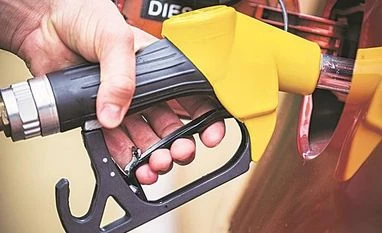 "Explained: Why India's 2025 ethanol blending target may not be a good idea")










 Connect with us on WhatsApp