Govt bank's Jan Dhan activities are not fully compensated
RBI bats for market-linked compensation for PSB staff
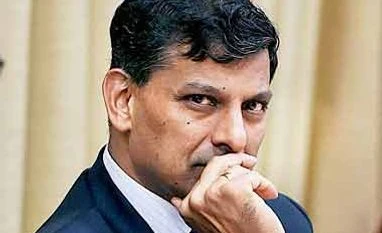
BS Reporter Mumbai The public sector banks (PSBs) mandated by the government to carry out several public interest activities such as opening of accounts under the Pradhan Mantri Jan Dhan Yojana (PMJDY) are not fully compensated, the Reserve Bank of India (RBI) Governor Raghuram Rajan said in the annual report for 2014-15.
In August last year, the government launched the scheme, aimed at financial inclusion. The scheme entails opening of basic savings account, life and accident insurance cover and overdraft facility. A total of 165.7 million accounts have been opened under the scheme, till June 30.
“We should recognise that PSBs undertake public interest activities (like the rollout of accounts under the PMJDY) that are not always fully compensated. The government should endeavour to keep the competitive playing field level by fully compensating banks for activities it wants undertaken in the public interest,” Rajan said.
A task force headed by Nandan Nilekani, chairman of the Unique Identification Authority of India (UIDAI), recommended a commission of 3.14 per cent to be paid for all direct benefits transfers handled by banks and business correspondents (BC).
Emphasising all the accounts opened under Jan Dhan remain operational, the central bank said the government should route its payments through the banking channel.
“A step ahead will be to remunerate banks appropriately for routing these transactions through the banking channel. In addition, since the last mile delivery of all banking services is expected to be done mostly through the large BC network created across the country, it is necessary to ensure that appropriate control system for oversight over BC operations is provided by banks,” the annual report said.
In order to provide a level-playing field for PSBs for attracting talent, the central bank has proposed that these banks should be able to pay appropriate compensation.
“Because PSBs compete in the same marketplace for talent as do private sector banks and foreign banks, and because skill gaps are increasing at middle management levels because of past hiring freezes, they will be unnecessarily hampered if they are unable to pay appropriate compensation to middle and senior managers, as well as Board members,” RBI said, adding that higher pay should come with better accountability for performance.
In addition, since many PSBs have higher overall costs than private banks performing similar activities, there is some scope for cost rationalisation even while improving the pattern of compensation.

 "Govt bank's Jan Dhan activities are not fully compensated")


 Connect with us on WhatsApp