The government could save Rs 21,672 crore of liquefied petroleum gas (LPG) subsidy outgo in the past two financial years (2014-15 and 2015-16), thanks to the implementation of the Direct Benefit Transfer in LPG (DBTL) scheme that eliminated ghost or duplicate connections.
The scheme, under which cooking gas subsidy is transferred directly into the bank accounts of beneficiaries to cut down leakages, was rolled out in November 2014. “If DBTL was not there, the government would have had to spend around Rs 15,000 crore more in 2014-15,” Petroleum Minister Dharmendra Pradhan said, at a seminar on energy subsidies here on Wednesday.
Oil ministry’s joint secretary Ashutosh Jindal, who was also present on the occasion, said the savings, thanks to DBTL, stood at Rs 7,000 crore in FY16, compared with Rs 14,672 crore in the previous financial year, due to a slump in crude oil prices.
| STEPPING ON THE GAS |
- Centre saved Rs 21,672 cr of LPG subsidy in FY15 and FY16 due to DBTL
- The gains included Rs 14,672 cr of subsidy outgo avoided in FY15 and Rs 7,000 cr in FY16 as DBTL eliminated 33 million ghost connections
- OMCs’ losses on LPG dipped from Rs 36,500 cr in FY15 to Rs 16,000 cr in FY16
- Kerosene under-recoveries declined from Rs 24,799 cr to Rs 11,500 cr in the same period
- Govt plans to allot 10,000 new LPG distributors to meet rising demand for LPG due to Ujjwala rollout
|
According to the oil ministry, India had 181.9 million registered LPG consumers as on April 1, 2015. These included 148.5 million active consumers, implying a gap of 33.4 million duplicate, fake or inactive consumers. Eliminating these unclaimed 33.4 million consumers helped save Rs 14,672 crore in 2014-15, Pradhan said.
“An average per cylinder subsidy of Rs 366 was considered for 2014-15. Taking into account the quota of 12 cylinders per consumer, the estimated savings in LPG subsidy due to the blocking of 33.4 million accounts work out to Rs 14,672 crore,” he added.
Oil marketing companies’ total LPG under-recoveries came down from Rs 36,500 crore in 2014-15 to Rs 16,000 crore in 2015-16. Pradhan said the 60 per cent reduction in the subsidy was on account of the decline in crude oil prices and the implementation of DBTL. Also, the subsidy payout on kerosene declined from Rs 24,799 crore in 2014-15 to Rs 11,500 crore in 2015-16. The government has increased the active consumer base of LPG by 37 million in the past two years, against 130 million in the first 60 years since Independence.
The minister clarified that the beneficiaries for the just-launched Ujjwala Yojana were identified based on four data sets — the Socio-Economic Caste Census, bank accounts, Aadhaar numbers and the list of consumers after the de-duplication drive.
The government plans to appoint 10,000 new LPG distributors, including 2,000 in the next four years, to meet the rising demand for the cooking fuel arising out of the implementation of the Ujjwala Yojana, under which 50 million new connections will be allotted to poor households in three years.

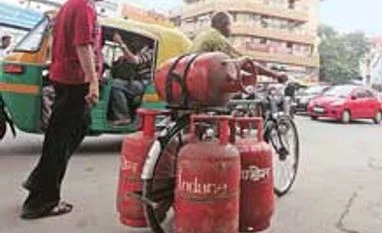 "Govt saves Rs 21,000 crore in LPG subsidy")


