With announcement of detailed GST rates for most goods and services, another important milestone in GST rollout has been achieved. Advance notice of about 6 weeks before proposed implementation deadline will also serve well for corporate readiness. Broadly, it has been ensured that incidence of tax will not increase at consumer level, which means earlier fears of inflationary pressure are unfounded. With likely introduction of anti-profiteering clause shortly, it will also prevent corporates from benefitting through lower GST rates as compared to existing indirect tax structure.
Apart from a four-slab structure (5, 12, 18 and 28 per cent) and the exempted list, the GST Council had earlier announced that the luxury and sin goods (aerated soft drinks, pan masala, tobacco products, coal and luxury cars) will attract cess over and above 28 per cent GST rate. Later, a cap was announced on the cess applicable on these five commodities under GST regime, implying that the Government intends to bring GST plus cess to be closer to the existing rates of tax. Cess will have a sunset clause of five years and will be reviewed annually.
On the other hand, GST registration coverage has gone up meaningfully in the recent past. As of last month, about 71 per cent of the indirect tax payer base (state and centre combined) had already registered on the GST network. This number is good considering that the threshold for compulsorily paying GST is a minimum annual turnover of Rs 20 lakhs as against current threshold of Rs 10 lakh under VAT/ Service tax environment.
Two of the biggest shortcomings of existing indirect tax structure are unavailability of input credit and cascading of tax incidence. GST implementation will address these anomalies.
One of the other consequences of GST rollout will be a marginal tax advantage to Indian manufacturers in both exports and imports. On exports front, there was an element of taxes built in through the supply chain as various indirect taxes (service, octroi etc) could not be completely offset. Under GST regime, the offset for input taxes should work well giving some tax relief. Similarly, with replacement of CVD/SAD by IGST rate should even out the taxation on imported goods.
Introduction of GST is likely to accelerate the shift away from unorganised to organised sector and also bring about greater
efficiency in logistics and supply chain management.
As we approach GST deadline, market focus will shift towards eventual implementation and efficacy post implementation.
Equity market seems to have at least partially discounted GST rollout. Focus however will continue on which of the companies will manage incremental market share gains from unorganised players in their respective business segments.
With strong inflows from domestic investors and continuing expectations of corporate earnings recovery, market has continued to scale newer highs in the recent months. Market is currently trading at a valuation that is higher than long term average valuation. While overall it may be a 'fair-value plus' valuation zone, there are pockets significant expensive valuation in market today, especially in small and micro cap segments, which warrants adequate caution.
Investors are well advised to maintain investment discipline at these levels rather than get carried away by 'left out feelings'. Sticking to asset allocation and long term focus are required to be followed rigorously.
Currently market offers better risk-reward profile in large cap segment as against other segments. Investors investing in small and micro cap funds should review portfolio concentration and illiquidity closely, and not blindly invest.
Overall, we advise investors to use staggered and disciplined investment approach through SIP/STP route rather than chase momentum in the market which is largely driven by liquidity gush in the short term.
Harsha Upadhyaya, CIO - Equity, Kotak Mahindra AMC

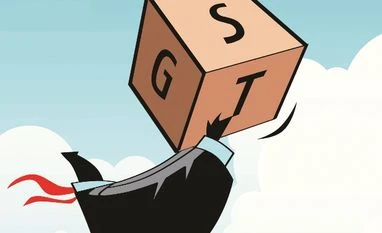 "GST a step closer to rollout; market on a roll!")












 Connect with us on WhatsApp