GVA in agriculture and allied activities projected to fall to 2.1% in FY18

More than GVA at constant prices, GVA for agriculture and allied activities at current prices slumped from nine per cent in 2016-17 to 2.8 per cent in 2017-18
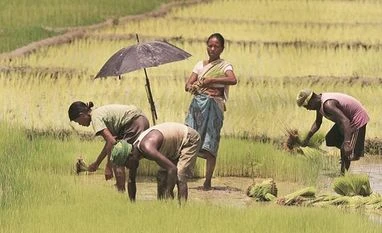
agriculture, farmers
A tax on agriculture income will go a long way in widening the tax base
Sanjeeb Mukherjee New Delhi
Last Updated : Jan 06 2018 | 1:35 AM IST
Gross value added (GVA) in agriculture and allied activities is projected to fall to 2.1 per cent in FY18 because of an expected drop in the rabi harvest, an almost three per cent fall in kharif production, and on account of a big base, according to the first advance estimates of gross domestic product (GDP) for 2017-18 released on Friday.

More than GVA at constant prices, GVA for agriculture and allied activities at current prices slumped from nine per cent in 2016-17 to 2.8 per cent in 2017-18, which means farm product prices grew a mere 0.7 per cent in 2017-18 as against a rise of 4.1 per cent in 2016-17.

A massive drop in agricultural prices, with most of them ruling below minimum support prices (MSPs), has been one of major crises the current government faces.

Despite best efforts, prices have stubbornly remained lower than the MSP, a factor which many blamed for the BJP’s poor performance in the elections in parts of Gujarat.

According to the government’s estimates, foodgrain production in the kharif season is projected to fall to 134.67 million tonnes as against 138.32 million tonnes in the previous season, due to fall in pulses output, while oilseeds production is also expected to drop.


More than kharif, the GVA estimates show that rabi production could also suffer due to a drop of almost 600,000 hectares in wheat acreage because of a shift in area towards gram in Madhya Pradesh.

“The GVA estimates of this sector have been compiled using the First Advance Estimates of production of major kharif crops for 2017-18 and targets based on rabi sowings,” the official statement said.

Madan Sabnavis, chief economist at CARE ratings, said that a lower agri forecast was not good news for the rabi crop, in which the area under cultivation has been lower so far, with wheat being under pressure.

TCA Anant, chief statistician, however, laid the blame for lower agriculture growth on a certain amount of statistical base reversion.

One subscription. Two world-class reads.

Already subscribed? Log in

Subscribe to read the full story →
*Subscribe to Business Standard digital and get complimentary access to The New York Times

Smart Quarterly

₹900

3 Months

₹300/Month

SAVE 25%

Smart Essential

₹2,700

1 Year

₹225/Month

SAVE 46%
*Complimentary New York Times access for the 2nd year will be given after 12 months

Super Saver

₹3,900

2 Years

₹162/Month

Subscribe

Renews automatically, cancel anytime

Here’s what’s included in our digital subscription plans

Exclusive premium stories online

  • Over 30 premium stories daily, handpicked by our editors

Complimentary Access to The New York Times

  • News, Games, Cooking, Audio, Wirecutter & The Athletic

Business Standard Epaper

  • Digital replica of our daily newspaper — with options to read, save, and share

Curated Newsletters

  • Insights on markets, finance, politics, tech, and more delivered to your inbox

Market Analysis & Investment Insights

  • In-depth market analysis & insights with access to The Smart Investor

Archives

  • Repository of articles and publications dating back to 1997

Ad-free Reading

  • Uninterrupted reading experience with no advertisements

Seamless Access Across All Devices

  • Access Business Standard across devices — mobile, tablet, or PC, via web or app

Next Story


