Improve governance and rules instead of privatisation: Raghuram Rajan

Rajan was also critical of the government for not focusing enough on healthcare and education, and cutting down on expenditure
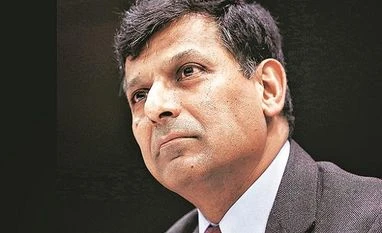
Raghuram Rajan
Raghuram Rajan
Anup Roy Mumbai
4 min read Last Updated : Sep 11 2021 | 12:03 PM IST
There is a need for public sector enterprises, including banks, and better governance can have the same desired effect as outright privatization, according to former Reserve Bank of India (RBI) governor Raghuram Rajan.

Rajan was part of a panel on the topic ‘new economy – redesign the world’ at clubhouse.com. The other speakers in the panel were Sam Pitroda, architect of India’s telecom revolution, and Palanivel Thiagarajan, finance minister of Tamil Nadu.
 
Replying to a question by Congress spokesperson Supriya Shrinate on privatisation, Thiagarajan said his government recogises the role for the private sector and cooperative sectors, but public goods and services, roads, infrastructure must stay with the government.

“We need capital, and we will need joint ventures (between public and private), because we see the best of both worlds. Well run establishments with global and national cooperation also bring in certain efficiencies. But we are against monetization of core and strategic assets, and security-linked assets such as airports, ports etc. My Chief Minister has written to the Prime Minister against such monetization,” Thiagarajan said.

Rajan agreed that there are clear roles for all sectors. The government may not be in watch making business (such as HMT), but the state has a different set of objectives and must ensure there is adequate competition in place to prevent monopoly.

“In core infra, it is possible that if you give it to the private sector without adequate regulation then you can have a private sector monopoly and the private sector can squeeze out the public,” Rajan said.

Sam Pitroda suggested that instead of outright sale to private parties, the government can lower its holding via share sell to public. Rajan agreed.

“Why don’t we focus on improving governance? You can privatise through public issues, sell the shares to the broader public. This is how ICICI became a private organisation, but it is more of a public bank,” Rajan said.

In banking also, there is an adequate amount of competition for the private sector, “but there is a need for the public sector provided you don’t handicap or privilege them.”

The government tends to hold back public sector banks by making it hard to recruit lateral talent. Good management students don’t want to sit for competitive exams and banks cannot recruit from even institutions such as National Institute of Bank Management (NIBM), which is sponsored by the banks themselves.

“We have handicapped the PSBs. I don’t see why the public sector can sit on assets, but there is again the question of core, and we also have to ensure that regulations and rules are framed so that the private sector doesn't exploit the system,” Rajan said.

“Better governance and better rules can do as much as privatization,” Rajan, currently serving as the professor of finance at the University of Chicago Booth School of Business said.

Rajan was also critical of the government for not focusing enough on healthcare and education, and cutting down on expenditure.

“Where is the money gone? Our debt to GDP is over 90 per cent, and there’s evidence to suggest that people have slipped (into poverty). There were promises that we would spend money on increasing people's capabilities, on education and healthcare. Have we got our priorities, right? Things are getting worse,” Rajan said.

“This is a very worrisome situation. It is a mistake to say we will not spend. It is important to spend where you need spending. Raise resources but direct it towards spending where it is needed. We need to do more about education and healthcare. It’s a very complicated issue for sure but that is where our efforts should be for the next few years,” Rajan said. 

One subscription. Two world-class reads.

Already subscribed? Log in

Subscribe to read the full story →
*Subscribe to Business Standard digital and get complimentary access to The New York Times

Smart Quarterly

₹900

3 Months

₹300/Month

SAVE 25%

Smart Essential

₹2,700

1 Year

₹225/Month

SAVE 46%
*Complimentary New York Times access for the 2nd year will be given after 12 months

Super Saver

₹3,900

2 Years

₹162/Month

Subscribe

Renews automatically, cancel anytime

Here’s what’s included in our digital subscription plans

Exclusive premium stories online

  • Over 30 premium stories daily, handpicked by our editors

Complimentary Access to The New York Times

  • News, Games, Cooking, Audio, Wirecutter & The Athletic

Business Standard Epaper

  • Digital replica of our daily newspaper — with options to read, save, and share

Curated Newsletters

  • Insights on markets, finance, politics, tech, and more delivered to your inbox

Market Analysis & Investment Insights

  • In-depth market analysis & insights with access to The Smart Investor

Archives

  • Repository of articles and publications dating back to 1997

Ad-free Reading

  • Uninterrupted reading experience with no advertisements

Seamless Access Across All Devices

  • Access Business Standard across devices — mobile, tablet, or PC, via web or app

Topics :Raghuram RajanBankingIndian Economyprivate sectorpublic sector enterprises

Next Story



