
'Inflation spike in May might cause RBI to revisit focus on growth risks'
This is based on commentary from global forecasting firm Oxford Economics
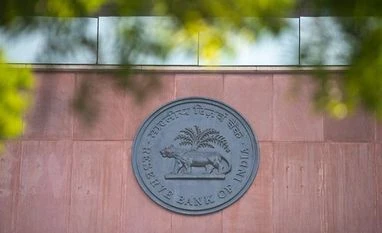 "'Inflation spike in May might cause RBI to revisit focus on growth risks'")
WebinarsNew
Deep DiveNew
Explore Business Standard
This is based on commentary from global forecasting firm Oxford Economics
Retail inflation spike in May might cause the RBI to "revisit its focus on growth risks", global forecasting firm Oxford Economics said on Tuesday adding that a rate hike is still unlikely this year.
It added that the underlying dynamics of the May inflation print augur caution and the recovery remains on uncertain ground and with fiscal support in retreat, the RBI will likely be hesitant to remove policy accommodation anytime soon.
"Consumer inflation spiked in May... This may cause the RBI to revisit its focus on growth risks. Still, we think a rate hike is unlikely this year," Oxford Economics said.
The forecasting firm said that given the evidence from last year, when supply side disruptions had led to an unanticipated spike in inflation, such developments may partly be attributed for the inflation pick-up in May.
"However, as we have highlighted, the 2021 lockdowns are not as stringent; and have allowed for greater movement of people, goods and vehicles.
"This suggests that other factors, such as the passthrough from WPI (Wholesale Price Index) to CPI (Consumer Price Index) and demand-side pressures, are at play as well," it said.
According to Oxford Economics, indeed, the April industrial production growth print surprised to the upside.
"Positive base effects notwithstanding, industrial production grew 1.1 per cent month-on-month seasonally adjusted in April after rising 2.2 per cent in March. This was led by continued expansion of manufacturing output," it said.
Rising prices of edible oils and protein-rich items pushed the retail inflation to a six-month high of 6.3 per cent in May, breaching the comfort level of the Reserve Bank and, thus, rendering reduction in interest rates a difficult proposition in the near term.
The government has asked the RBI to keep the retail inflation at 4 per cent with a margin of 2 per cent on either side.
Headline inflation surged to 6.3 per cent year-on-year in May, from 4.2 per cent in April as inflation rose across the board.
Food inflation increased to 5 per cent in May from 2 per cent in the previous month. Fuel inflation grew 11.6 per cent after rising to 8 per cent in April. Core inflation (CPI excluding food and fuel) jumped to 6.1 per cent from 5.2 per cent in the previous month.
Wholesale price-based inflation also accelerated to a record 12.94 per cent in May on account of rising prices of crude oil, manufactured goods and the low base of last year due to the COVID-19 lockdown.
While the Consumer Price Index (CPI)-based inflation rose from 4.23 per cent in April to a six-month high of 6.3 per cent in May, food inflation soared from 1.96 per cent to 5.01 per cent.
(Only the headline and picture of this report may have been reworked by the Business Standard staff; the rest of the content is auto-generated from a syndicated feed.)
First Published: Jun 15 2021 | 5:01 PM IST

